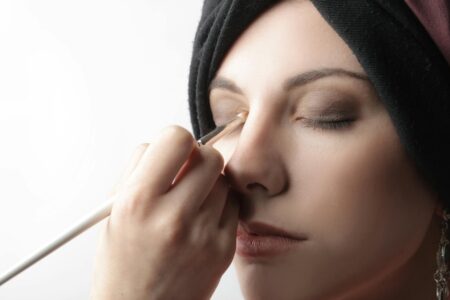





Estheticians across the country are adding a surprising new skill to their repertoire: lymphatic drainage massage. What was once primarily the domain of medical massage therapists is now becoming standard training in beauty schools and continuing education programs. This shift reflects a growing understanding of how the lymphatic system impacts skin health and overall wellness.
The movement gained momentum during the pandemic when face masks highlighted skin issues like puffiness and congestion. Clients began seeking treatments that addressed not just surface-level concerns but the underlying systems affecting their complexion. Lymphatic drainage, with its gentle pumping motions designed to stimulate lymph flow, emerged as a solution that bridges medical wellness and aesthetic beauty.
The Science Behind the Beauty Trend
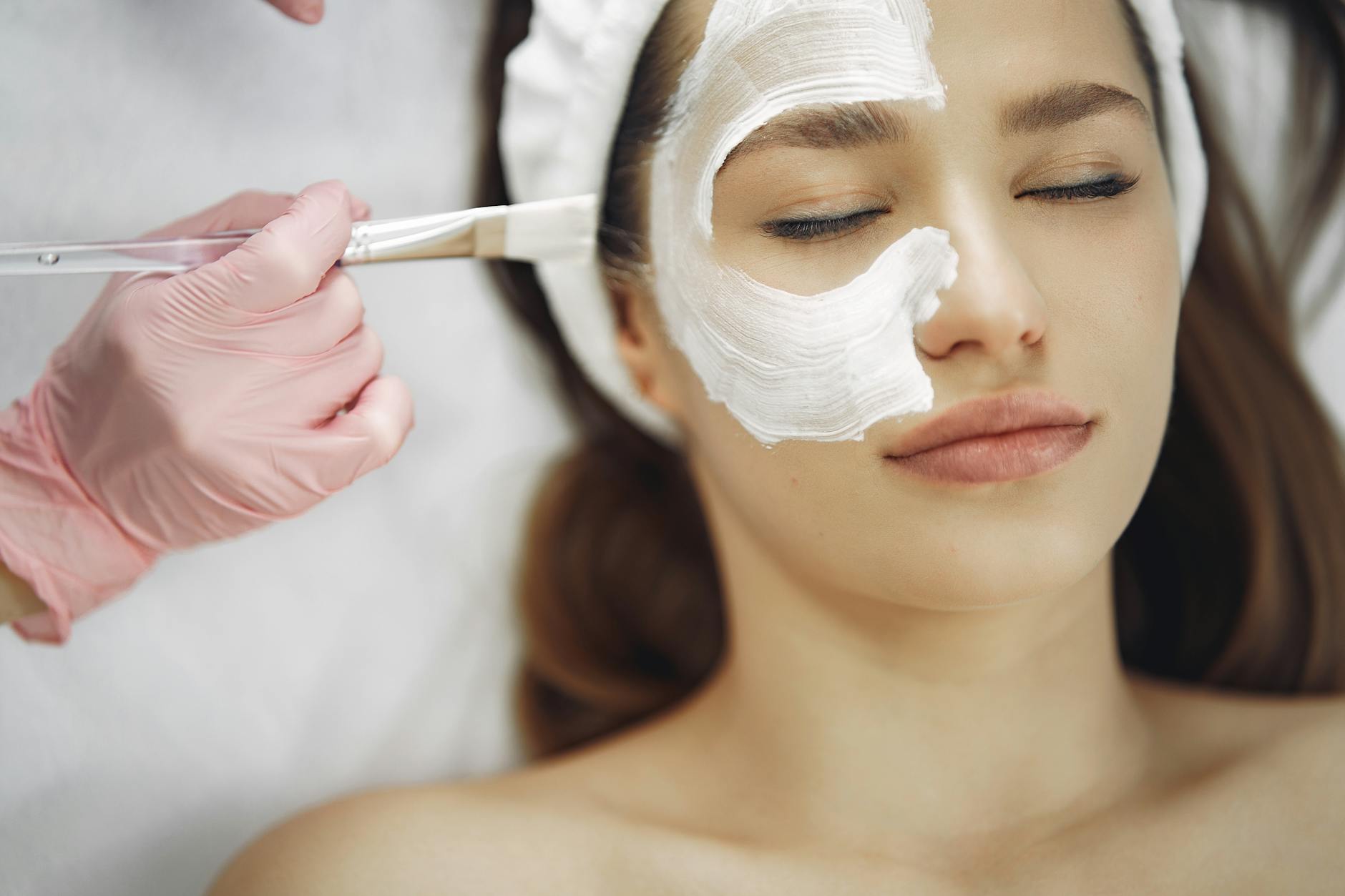
The lymphatic system plays a crucial role in maintaining healthy skin by removing toxins, excess fluid, and cellular waste. When this system becomes sluggish, it shows up as puffiness, dullness, and even acne. Traditional facials focus on the skin’s surface, but lymphatic drainage works at a deeper level to address these root causes.
Dr. Jennifer Gilbert, a dermatologist practicing in New York, explains that many skin concerns stem from poor lymphatic circulation. “We’re seeing clients who understand that puffy eyes aren’t just about getting enough sleep,” she notes. “They want treatments that address the circulation issues causing the problem.”
This understanding has led to a surge in demand for estheticians who can perform these specialized techniques. Beauty schools like the Aveda Institute and Paul Mitchell The School have begun incorporating lymphatic drainage into their curriculum. Advanced training programs through organizations like Associated Bodywork & Massage Professionals now see estheticians alongside traditional massage therapists in their courses.
The technique itself involves light, rhythmic strokes that follow the body’s lymphatic pathways. Unlike deep tissue massage, lymphatic drainage uses minimal pressure – about the weight of a nickel on the skin. The movements are designed to encourage lymph fluid toward the body’s filtering stations, primarily located in the neck, armpits, and groin.
Celebrity Endorsements Drive Mainstream Appeal
High-profile endorsements have accelerated the trend’s popularity. Gwyneth Paltrow has spoken publicly about regular lymphatic massage sessions, crediting them with reducing inflammation and improving her skin’s clarity. Miranda Kerr incorporates lymphatic drainage into her wellness routine, often sharing the benefits with her millions of social media followers.

Celebrity facialist Joanna Vargas, who works with clients like Maggie Gyllenhaal and Rachel Weisz, has made lymphatic drainage a cornerstone of her treatments. Her New York and Los Angeles clinics report that 80% of facial clients now request some form of lymphatic work during their sessions.
The technique has also gained traction through social media, where aestheticians demonstrate the immediate visible effects of lymphatic drainage. Before-and-after videos showing reduced puffiness and improved facial contours have gone viral on TikTok and Instagram, driving consumer interest.
This celebrity and social media exposure has created a ripple effect throughout the beauty industry. Clients who once viewed lymphatic drainage as a medical treatment now see it as an essential part of their beauty routine, similar to how dermatologists are now prescribing custom vitamin serums based on blood tests – integrating medical knowledge into everyday beauty care.
Training and Certification Requirements
The integration of lymphatic drainage into esthetics has created new educational pathways and certification requirements. Traditional lymphatic drainage training, developed by practitioners like Dr. Emil Vodder and Dr. Bruno Chikly, typically requires 135+ hours of specialized education. However, modified programs designed for estheticians focus on facial and neck techniques, requiring 40-60 hours of training.
The National Board of Certification for Therapeutic Massage & Bodywork now offers specialized certifications for estheticians seeking to add lymphatic techniques to their practice. These programs emphasize the anatomical differences between traditional massage and lymphatic work, teaching practitioners to work with the superficial lymphatic vessels located just beneath the skin.
Continuing education has become crucial as state licensing boards adapt to this evolving field. California, New York, and Florida have updated their esthetics licensing requirements to include lymphatic system education. Other states are following suit, recognizing that modern esthetics increasingly overlaps with wellness and medical aesthetics.
Professional organizations like the Society of Dermatology SkinCare Specialists have developed specific protocols for estheticians performing lymphatic work. These guidelines ensure that practitioners understand when to refer clients to medical professionals and how to work safely within their scope of practice.
Business Impact and Client Outcomes
Spas and wellness centers report significant business growth after adding lymphatic services to their menus. The Woodhouse Day Spa chain, with locations across 35 states, introduced lymphatic enhancement facials in 2022 and saw a 40% increase in facial bookings. These treatments command premium pricing, typically 20-30% higher than standard facials.
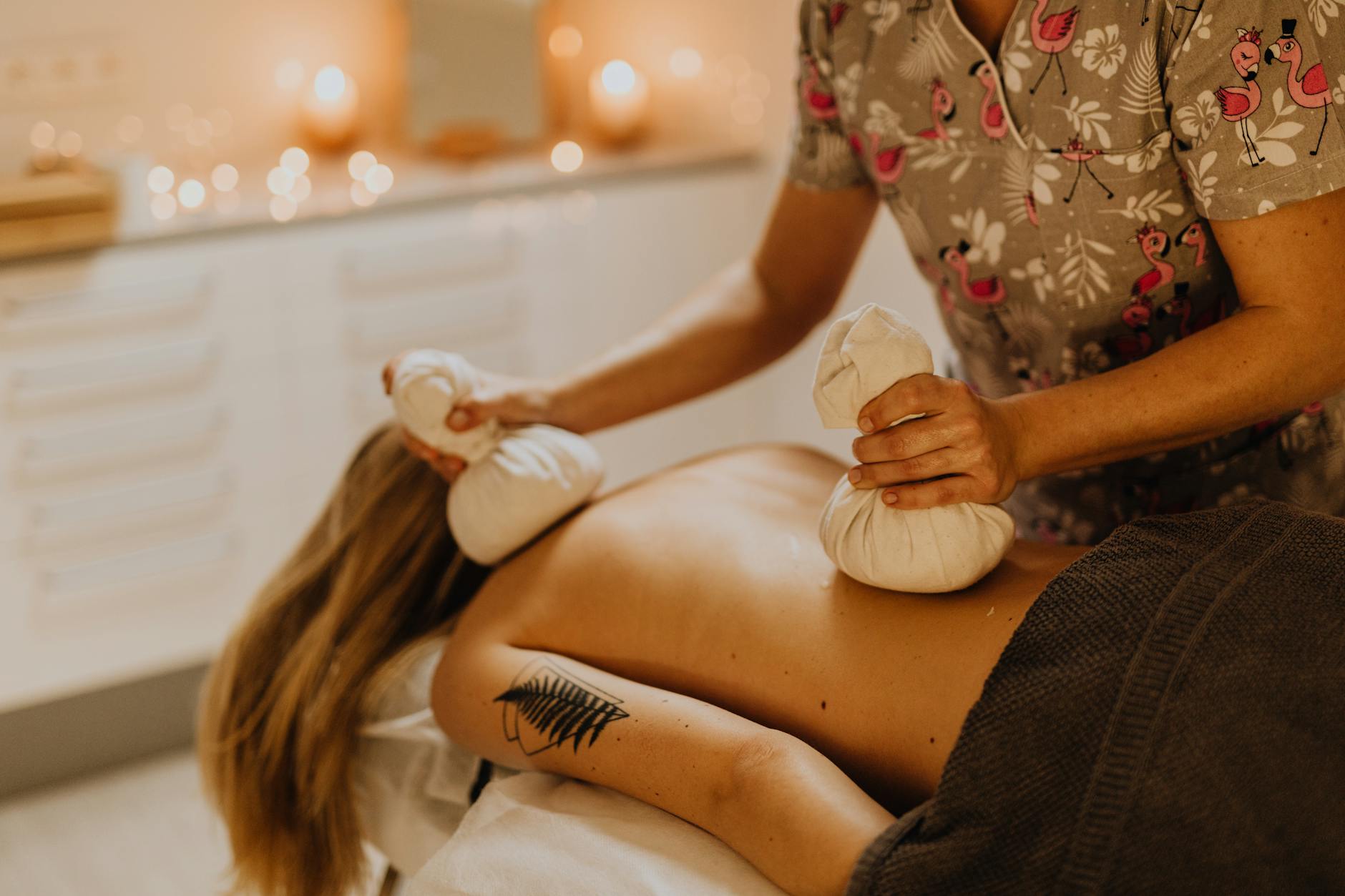
Client retention has also improved, as lymphatic treatments often require multiple sessions for optimal results. Unlike one-time facial treatments, lymphatic protocols typically involve initial intensives followed by monthly maintenance sessions. This model creates ongoing relationships between estheticians and clients, stabilizing revenue streams for practitioners.
The treatment outcomes extend beyond cosmetic benefits. Clients report improvements in sinus congestion, headaches, and overall energy levels. These wellness benefits have attracted a broader demographic, including men and older adults who might not typically seek traditional facial treatments.
Medical spas have been particularly successful in integrating lymphatic drainage with other treatments. Combining lymphatic work with procedures like microneedling or chemical peels can reduce recovery time and enhance results. This integration positions estheticians as integral members of medical aesthetic teams rather than just beauty service providers.
The shift toward lymphatic drainage represents a broader evolution in the beauty industry, where the line between wellness and aesthetics continues to blur. As consumers become more educated about the connections between internal health and external appearance, estheticians who understand these relationships will be best positioned for success. The next phase will likely see even more integration between traditional beauty treatments and medical wellness approaches, creating new opportunities for skilled practitioners who can bridge both worlds.
Frequently Asked Questions
What is lymphatic drainage massage in skincare?
A gentle massage technique that stimulates lymph flow to reduce puffiness, toxins, and improve skin clarity by addressing circulation issues.
Do estheticians need special training for lymphatic massage?
Yes, estheticians typically need 40-60 hours of specialized training focused on facial and neck lymphatic techniques and anatomy.