



The glowing red panels once reserved for dermatology offices are now sitting on bedroom nightstands across America. LED light therapy devices have made the leap from professional treatment rooms to at-home beauty routines, and dermatologists are increasingly endorsing this shift. What was once considered experimental technology has become mainstream medicine, backed by years of clinical research and FDA approvals.
Dr. Rachel Nazarian, a board-certified dermatologist in New York, sees patients bringing LED devices to appointments for guidance on proper use. “Five years ago, I would have been skeptical about at-home light therapy. Now I actively recommend specific devices to patients based on their skin concerns,” she explains. The change reflects a broader evolution in dermatological care, where professional-grade treatments are becoming accessible for daily home use.
The Science Behind the Glow
LED light therapy works by delivering specific wavelengths of light to skin cells, triggering biological responses that promote healing and regeneration. Red light, typically around 660-850 nanometers, penetrates deeper into the dermis to stimulate collagen production and reduce inflammation. Blue light, at 415 nanometers, targets acne-causing bacteria on the skin’s surface.
Clinical studies have validated these mechanisms. A 2014 study published in the Journal of Clinical and Aesthetic Dermatology found that participants using red LED therapy showed a 91% improvement in fine lines and wrinkles after 12 weeks of treatment. Another study in the British Journal of Dermatology demonstrated that blue light therapy reduced inflammatory acne lesions by 64% over 12 weeks.
Dr. Dennis Gross, dermatologist and founder of Dr. Dennis Gross Skincare, has been studying light therapy for over two decades. His research helped establish the protocols now used in many at-home devices. “The key breakthrough was understanding that consistent, lower-intensity exposure could be more effective than sporadic high-intensity treatments,” he notes. This principle enabled the development of safe, effective home devices that deliver results comparable to professional treatments.
The technology has evolved significantly from early models. Modern devices incorporate multiple wavelengths, adjustable intensity settings, and safety features that prevent overexposure. Some integrate with smartphone apps to track usage and progress, creating a more sophisticated treatment experience.
Professional Validation and Patient Safety
The American Academy of Dermatology has acknowledged LED light therapy as a legitimate treatment option for various skin conditions. This professional endorsement carries significant weight, particularly as dermatologists become more selective about which trends they support. Unlike many beauty device fads, LED therapy has decades of peer-reviewed research supporting its efficacy.
Dr. Shereene Idriss, a board-certified dermatologist in New York, emphasizes the importance of proper device selection. “Not all LED devices are created equal. I recommend patients look for FDA-cleared devices that specify their wavelengths and energy output,” she advises. The FDA has cleared numerous at-home LED devices for treating wrinkles and acne, providing a regulatory framework that distinguishes legitimate medical devices from cosmetic gadgets.
Safety considerations have driven much of the professional acceptance. Unlike ablative laser treatments or chemical peels, LED therapy is non-invasive and has minimal side effects. The most common adverse reactions are mild eye irritation if proper eye protection isn’t used, or temporary redness that subsides within hours.
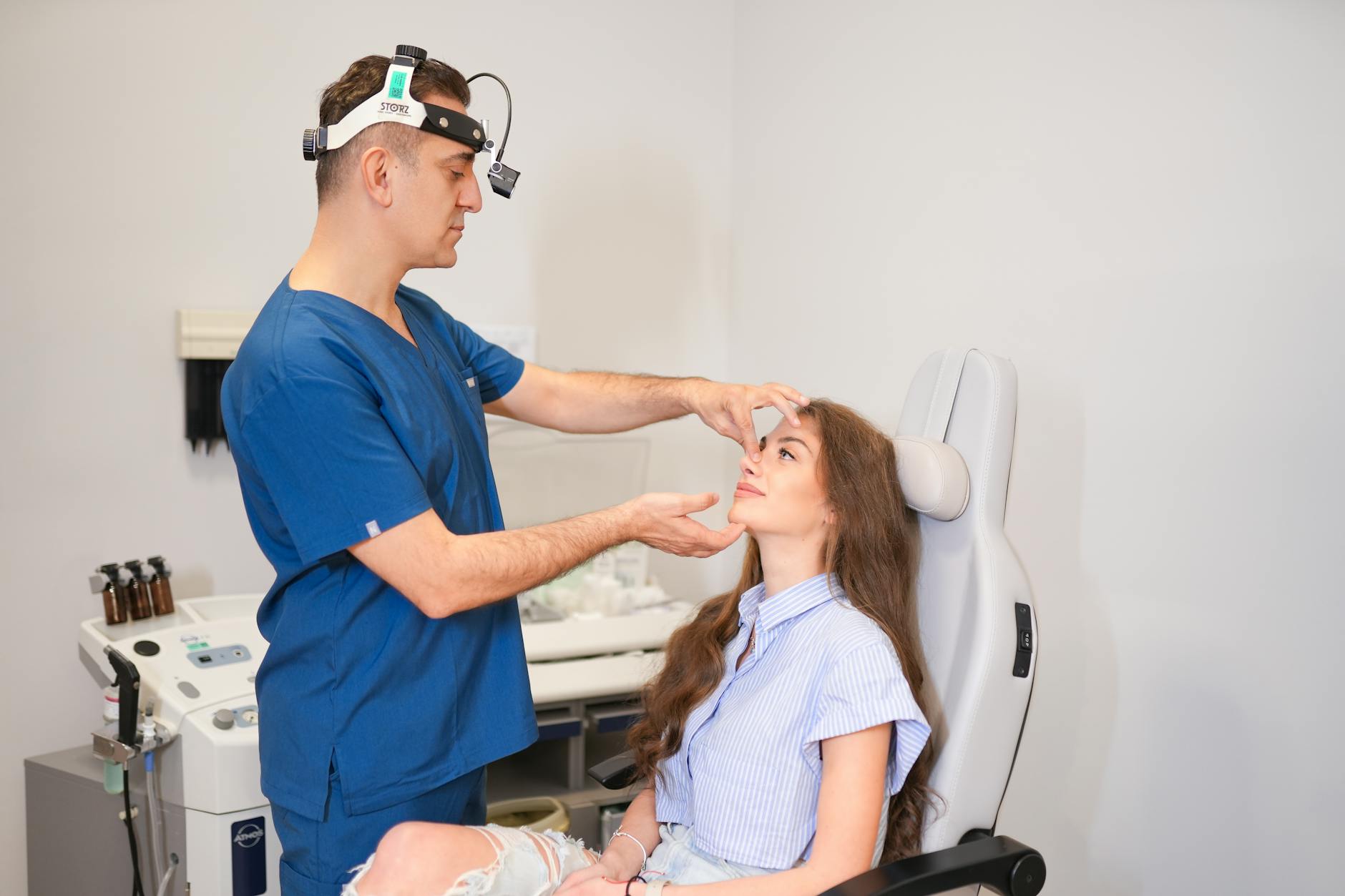
Professional dermatologists are also integrating at-home LED therapy into comprehensive treatment plans. Rather than viewing home devices as competition, many practitioners see them as complementary tools that extend and maintain in-office treatments. This shift mirrors trends in other areas of skincare, where dermatologists are now prescribing custom vitamin serums based on blood tests to create personalized treatment regimens.
Market Evolution and Consumer Access
The at-home LED device market has exploded, with sales increasing by over 300% in the past three years according to market research firm Grand View Research. Devices range from handheld units costing under $100 to full-face panels priced at several thousand dollars. This price spectrum has made the technology accessible to a broader consumer base than ever before.
Major beauty retailers now dedicate entire sections to LED devices, reflecting consumer demand and professional acceptance. Sephora, Ulta Beauty, and Amazon report LED light therapy devices among their fastest-growing beauty categories. The devices consistently receive high customer ratings, with many users reporting visible improvements in skin texture and tone.
Consumer education has improved dramatically as dermatologists have become more involved in the conversation. Professional recommendations help consumers navigate the crowded market and choose devices appropriate for their specific skin concerns. Dr. Marnie Nussbaum, a dermatologist in New York, regularly posts educational content about LED therapy on social media, helping patients understand proper usage and realistic expectations.
The technology has also benefited from celebrity endorsements grounded in actual use rather than paid partnerships. Celebrities like Jessica Alba, Kourtney Kardashian, and Chrissy Teigen have shared their LED therapy routines, often showing the devices in their actual homes rather than staged promotional settings.
Integration with Professional Care
Modern dermatology practices are evolving to incorporate at-home LED therapy as part of comprehensive skin health programs. Some offices now sell or recommend specific devices, providing initial training sessions to ensure proper use. This model creates continuity between professional treatments and daily maintenance.
The approach aligns with broader trends in healthcare toward patient empowerment and daily maintenance rather than sporadic intervention. Just as patients monitor blood pressure or glucose at home, skin health increasingly involves daily active care rather than periodic professional treatments alone.

Looking ahead, the integration of LED light therapy into mainstream skincare represents a fundamental shift in how dermatological care is delivered. As technology continues to improve and costs decrease, these devices are likely to become as common as electric toothbrushes in personal care routines.
Dr. Nazarian predicts that future devices will incorporate artificial intelligence to customize treatments based on skin analysis and response patterns. “We’re moving toward truly personalized skincare where devices adapt to individual skin needs in real-time,” she explains. This evolution will further cement LED therapy’s place in both professional and at-home skincare protocols.
The endorsement of at-home LED light therapy by dermatologists marks a significant milestone in the democratization of advanced skincare treatments. As the technology continues to evolve and professional guidance becomes more accessible, patients can expect even more sophisticated and effective options for maintaining healthy, youthful skin from the comfort of their homes.
Frequently Asked Questions
Is at-home LED light therapy as effective as professional treatments?
Studies show consistent home use can achieve comparable results to professional treatments, though individual results may vary.
How often should I use LED light therapy at home?
Most dermatologists recommend daily 10-20 minute sessions for optimal results, following device-specific guidelines.