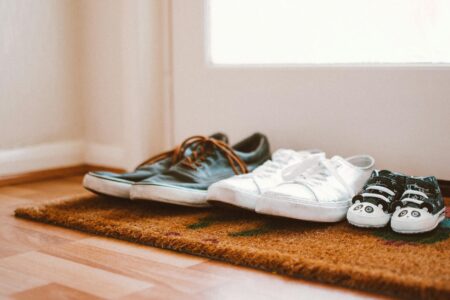




The stiletto’s reign in corporate boardrooms is ending. After decades of towering heels defining professional power dressing, working women across industries are quietly staging a footwear revolution. Ballet flats, once dismissed as too casual for serious business, are reclaiming territory in executive suites from Wall Street to Silicon Valley.
This shift represents more than changing fashion preferences. As hybrid work reshapes professional expectations and wellness consciousness grows, women are rejecting the painful compromise between style and comfort that defined previous generations of workplace footwear. Major retailers report double-digit growth in ballet flat sales over the past year, with luxury brands rushing to meet demand for sophisticated versions suitable for corner offices.
The Comfort Revolution Meets Corporate Culture
The pandemic fundamentally altered how professional women think about work attire. Two years of home offices in comfortable shoes created a stark contrast when returning to pre-2020 footwear standards. “I realized I’d been accepting foot pain as normal,” says Sarah Chen, a financial advisor who switched to ballet flats after working remotely. “When I went back to heels, my feet were screaming by noon.”
This individual awakening mirrors broader workplace culture shifts. Companies emphasizing employee wellbeing find strict dress codes harder to justify when comfort directly impacts productivity. Tech giants like Google and Microsoft never required formal footwear, but traditional industries are following suit. Law firms that once mandated heels now focus on “professional appearance” rather than specific shoe requirements.
The medical community supports this transition. Podiatrists report seeing fewer cases of bunions, plantar fasciitis, and other heel-related injuries among professional women. Podiatrist-designed dress shoes are trending among CEOs, reflecting growing awareness that foot health affects overall performance and confidence.
Designer Brands Embrace the Flat Revolution
Luxury fashion houses initially resisted the ballet flat comeback, viewing it as a threat to their lucrative heel market. That resistance crumbled as sales data revealed consumer demand. Chanel’s quilted ballet flats now have months-long waitlists. Tory Burch reports her ballet flats outselling heels three to one among professional customers.
The new generation of work-appropriate flats differs significantly from casual weekend styles. Premium materials like Italian leather and subtle hardware create sophistication without sacrificing comfort. Pointed toes and structured silhouettes maintain professional polish while accommodating natural foot shape. Some brands incorporate memory foam insoles and arch support previously found only in athletic shoes.
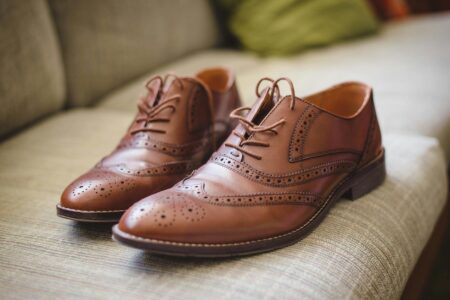
This evolution extends beyond traditional ballet flats. Loafers, oxfords, and other low-heel options are gaining professional acceptance. The key lies in craftsmanship and intentional design rather than heel height. A well-made flat commands respect in ways unimaginable a decade ago.

Generational Divide Shapes Professional Footwear
Age demographics reveal stark differences in heel acceptance. Women over 45, who built careers when heels were non-negotiable, often maintain traditional footwear expectations. However, Gen Z professionals entering the workforce reject the notion that pain equals professionalism. Millennial women, now reaching senior positions, bridge these perspectives by normalizing comfortable choices in leadership roles.
This generational shift influences office dynamics. Young employees watch senior leaders’ choices for professional cues. When a VP wears ballet flats to board meetings without comment, it signals broader acceptance. The trickle-down effect accelerates as comfortable footwear gains legitimacy through executive endorsement.
Industry variations persist. Creative fields embraced flat footwear years ago, while finance and law maintained stricter standards. However, even conservative industries show movement. Major banks quietly updated dress codes to emphasize “business appropriate” rather than specific footwear requirements. Legal professionals report wearing flats to court without professional consequences.
The Economics of Comfort
Financial considerations drive the ballet flat revival beyond comfort and health concerns. Quality flats cost significantly less than comparable heels while lasting longer due to reduced structural stress. Professional women report buying fewer shoes overall when focusing on versatile flats rather than maintaining separate collections for different heel heights.
The comfort factor translates to productivity benefits. Women walking longer distances between meetings, standing through presentations, or working extended hours perform better without foot pain distractions. Some companies recognize this connection, with progressive employers offering footwear allowances specifically for comfortable professional shoes.
Retail data supports the economic argument. Department stores report higher customer satisfaction and lower return rates for ballet flats compared to heels. The practical nature of flats encourages multiple purchases in different colors and materials, creating steady revenue streams for retailers adapting to changing preferences.
Future of Professional Footwear
The ballet flat comeback signals broader changes in professional appearance standards. As orthopedic sneakers became the new status symbol in casual settings, comfortable professional footwear follows similar trajectory. The distinction between “serious” and “comfortable” shoes continues blurring as workplace culture prioritizes employee wellbeing.
Technology integration represents the next evolution. Smart insoles monitoring posture and providing cushioning feedback may become standard in high-end professional flats. Sustainable materials and ethical manufacturing practices also influence purchasing decisions among environmentally conscious professionals.
The heel’s dominance in professional settings appears permanently disrupted. While stilettos retain relevance for specific occasions and personal preference, they no longer represent the only path to professional credibility. Ballet flats and other comfortable options established permanent footing in corporate wardrobes, reflecting fundamental shifts in how working women balance style, health, and career advancement.
This footwear revolution extends beyond individual comfort to challenge longstanding assumptions about professional appearance. As workplace culture continues evolving, the humble ballet flat stands as symbol of progress toward environments where competence matters more than conformity to potentially harmful beauty standards.
Frequently Asked Questions
Are ballet flats appropriate for professional workplaces?
Yes, modern ballet flats with quality materials and structured designs are widely accepted in professional settings, including corporate environments.
Why are working women choosing flats over heels?
Women prioritize foot health, comfort, and productivity over traditional appearance standards, especially after pandemic-era work-from-home experiences.