



The Procedure Getting Quietly Honest Coverage
Blepharoplasty – the surgical removal or repositioning of tissue around the eyelid – has long occupied an awkward space in beauty conversation: too medical for lifestyle columns, too cosmetic for clinical ones. That is starting to shift. A Harper’s Bazaar editor recently published a first-person account of choosing the procedure after years of being bothered by her under-eye bags, and the candor of that piece landed differently than the usual before-and-after narrative. It wasn’t a celebration of transformation. It was a reckoning.
What made the account notable was the weight of the decision – not the surgery itself, but the extended period of reflection that preceded it. Several difficult years, she wrote, had made the physical appearance of her under-eyes feel like an accumulation of something larger than fatigue. The procedure, for her, was about taking off a kind of visible burden. That framing changes what blepharoplasty means in the broader beauty and fashion conversation.
What Blepharoplasty Actually Is
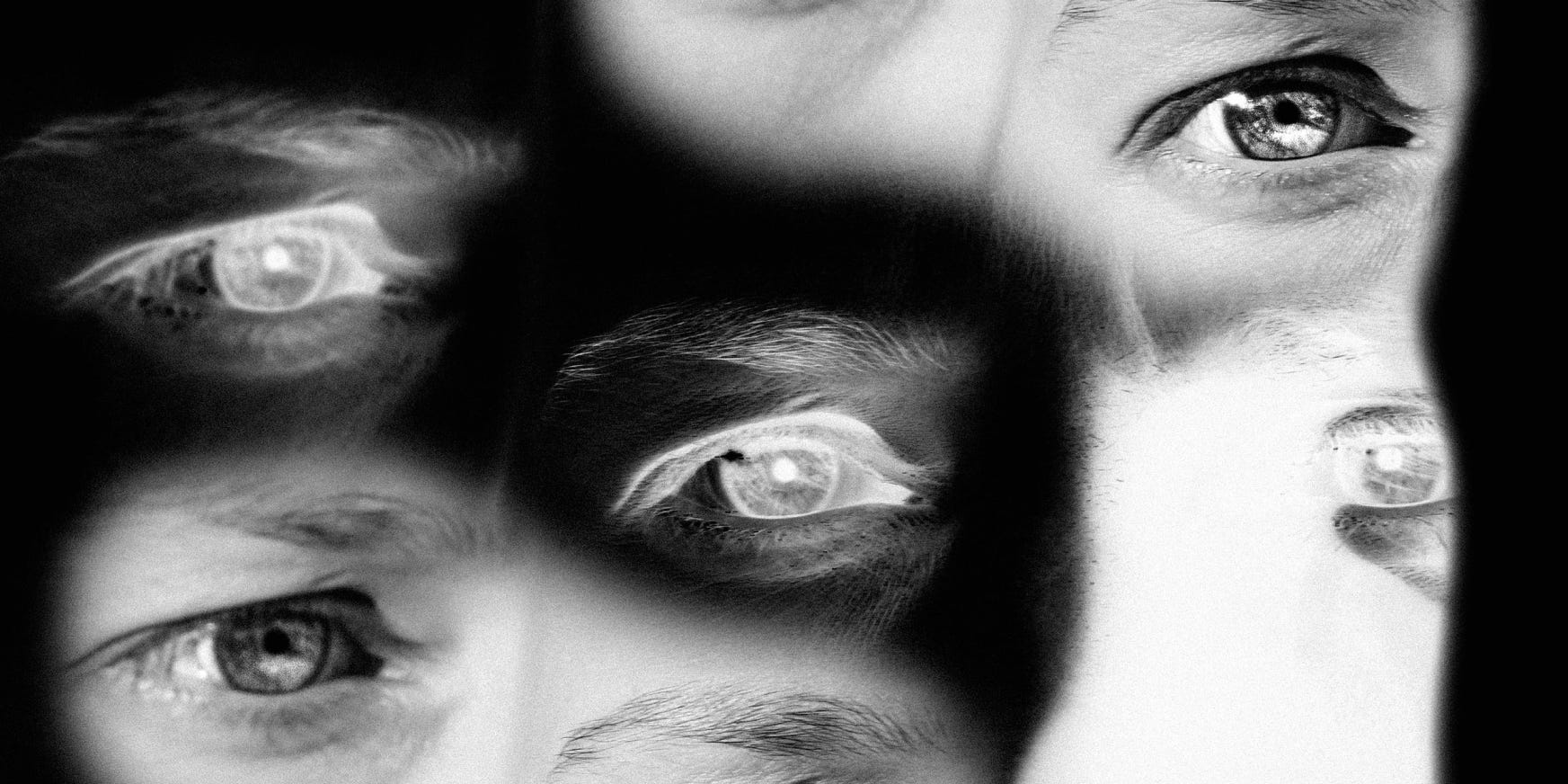
The term covers a range of procedures targeting the upper or lower eyelids. Lower blepharoplasty – which addresses under-eye bags specifically – involves either removing excess fat through a small incision inside the lower eyelid, or repositioning that fat to smooth the transition between the lower lid and the cheek. The results are considered among the more lasting of facial cosmetic procedures, which is part of why surgeons report steady demand even as non-surgical alternatives like filler and radiofrequency treatments have multiplied.
Under-eye bags are not always about age. Genetics play a significant role – some people carry prominent fat pads in that area from early adulthood. Fluid retention, sleep patterns, and sodium intake can worsen their appearance, but for some, no lifestyle adjustment changes the underlying structure. That distinction matters when evaluating who is seeking blepharoplasty and why. For the Harper’s Bazaar editor, the concern was long-standing, not suddenly triggered by aging.
Recovery from lower blepharoplasty typically involves bruising and swelling for one to two weeks, with residual puffiness lasting longer. Most patients return to daily activity within ten days to two weeks. The results, barring significant weight fluctuation or continued fat prolapse, are generally considered permanent – the tissue removed does not regenerate. That permanence is both the draw and the hesitation for many considering it.
The Emotional Calculus of Cosmetic Surgery
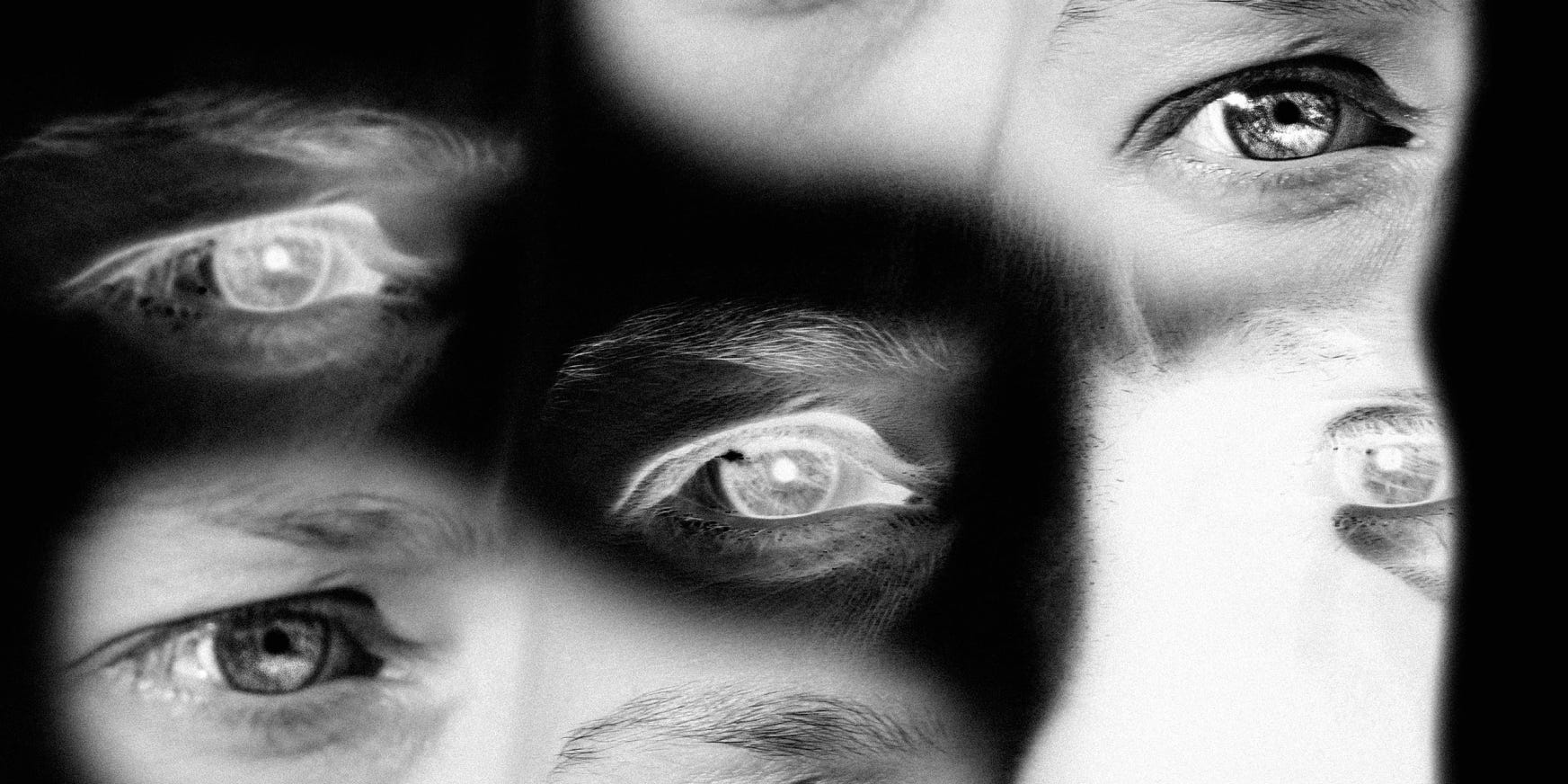
What the Harper’s Bazaar piece did not do was position the surgery as a quick fix or a moment of vanity. The editor described deep rumination – a period of sitting with the decision before arriving at it. That framing pushes against the cultural tendency to split cosmetic surgery into two camps: frivolous indulgence or medically necessary correction. Most real decisions about elective procedures live somewhere in between, shaped by years of low-grade self-consciousness that doesn’t always resolve through acceptance alone.
Fashion and beauty media have historically been more comfortable showing the results of cosmetic procedures than discussing the mental process of choosing them. The industry sells aspiration, not ambivalence. But that is changing – slowly – as more writers and editors speak on record about their own choices. There is something different about reading a first-person account from someone whose job is to evaluate beauty products and trends, who chose surgery not impulsively but after sustained thought.
Why This Conversation Is Happening Now
The timing is not accidental. Social media, specifically the high-definition selfie culture that has been building for the better part of a decade, has made under-eye appearance a specific preoccupation in a way it wasn’t before. Filters that smooth and brighten that area are among the most-used on major platforms. Eye-focused makeup trends – graphic liner, bold shadow, statement mascara – draw attention directly to the area that blepharoplasty targets. The market pressure to have bright, rested eyes is intense and largely invisible as pressure.
At the same time, the proliferation of non-invasive treatments has actually increased openness to surgical ones. Once someone starts using filler, laser treatments, or radiofrequency devices for the face, the conceptual line between “I don’t do anything” and “I consider cosmetic procedures” has already moved. Surgeons who perform blepharoplasty have noted that patients often arrive having already exhausted non-surgical options. The Harper’s Bazaar editor’s account fits that trajectory – years of awareness, not a sudden decision.
The fashion industry’s own relationship to eye aesthetics is worth noting. Runway beauty for the past several seasons has regularly featured bare, exposed eye looks – minimal liner, no shadow, skin-focused – that leave the natural eye area fully visible. That aesthetic rewards eyes that read as clean and rested, which is precisely the result blepharoplasty is designed to achieve. Whether that’s coincidence or part of the same cultural current is hard to isolate, but the timing of the look’s popularity and the rise in eye-area procedures is not nothing.
The editor’s account ends not with euphoria but with relief – a quieter, more complicated emotion than the before-and-after genre usually allows. She had always been bothered by her under-eye bags. After trying years and real reflection, she decided the physical and emotional weight was worth addressing surgically. The surgery happened. The weight came off.
Whether that relief holds – and what it means to seek it through a scalpel rather than a serum – is the question the piece leaves open.