



Fashion Week attendees spotted Anna Wintour slipping into a pair of black velcro sneakers between shows last month. The Vogue editor-in-chief wasn’t making a statement – she was making a practical choice that’s quietly revolutionizing how fashion’s most influential voices approach footwear.
The rise of velcro sneakers among fashion editors represents more than comfort over style. It signals a fundamental shift in how industry professionals prioritize functionality during their most demanding work periods. From Milan to Paris, editors who once wouldn’t be caught dead in anything less than stilettos are embracing the adjustable convenience of velcro closures.
This transformation reflects broader changes within fashion editorial work. Modern editors juggle constant movement between venues, lengthy standing periods during presentations, and the physical demands of capturing street style content. The traditional fashion editor’s uniform of sky-high heels has proven incompatible with these evolving job requirements.
The Practical Revolution Behind Editorial Desks
Fashion editors face unique physical challenges that most professionals never encounter. During fashion weeks, they average eight to twelve venue changes daily, often navigating cobblestone streets in European cities, climbing multiple flights of stairs in converted industrial spaces, and standing for hours in crowded showrooms.
Sarah Mower, British Vogue’s fashion critic, recently discussed how footwear choices directly impact her ability to capture comprehensive coverage during fashion weeks. The speed required to move between shows, combined with the need to remain comfortable during extended standing periods, has led many editors to reconsider their shoe choices entirely.
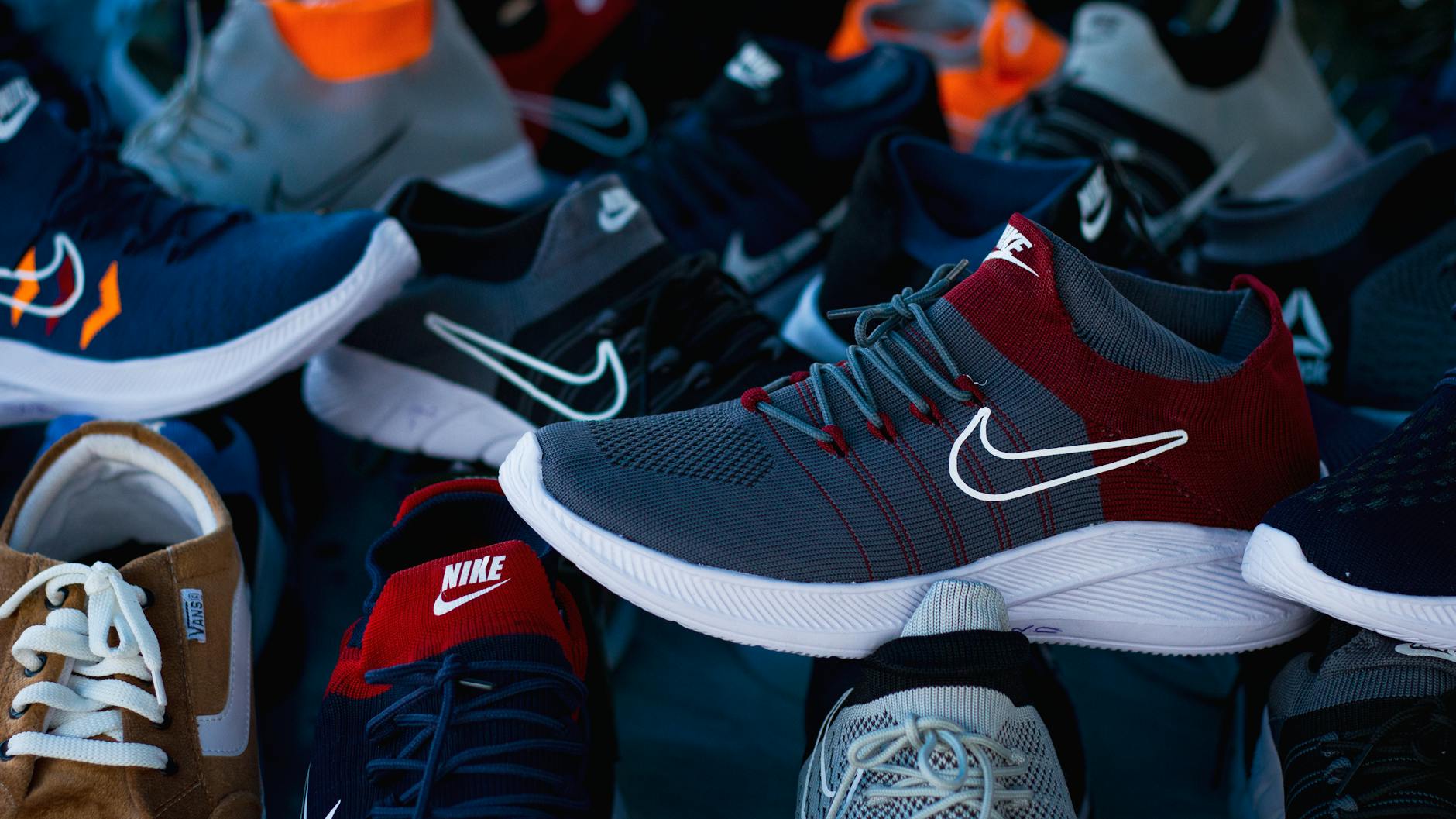
The velcro advantage extends beyond basic comfort. These sneakers offer adjustability throughout long days when feet naturally swell. Traditional laces become loose or tight as the day progresses, while velcro allows for micro-adjustments without stopping to retie shoes. For editors rushing between appointments, this seemingly minor convenience translates to significant time savings.
Major fashion publications have quietly adjusted their style guidelines to accommodate these practical needs. While red carpet events and formal presentations still require traditional dress codes, daily editorial work now permits more functional footwear choices. This shift acknowledges that comfortable editors produce better work.
Designer Brands Embrace Functional Fashion
Luxury fashion houses have responded to this editorial demand with sophisticated velcro options that maintain aesthetic standards while delivering practical benefits. Prada introduced velcro-closure sneakers in premium materials that pass fashion industry scrutiny. These aren’t children’s shoes adapted for adults – they’re purpose-built fashion footwear that happens to use velcro technology.
Balenciaga, Maison Margiela, and Rick Owens have all incorporated velcro elements into recent collections, recognizing that fashion industry professionals represent an influential consumer segment with specific needs. These designs maintain the visual sophistication expected in fashion circles while acknowledging practical requirements.
The materials science behind modern velcro has evolved significantly from its origins. Current iterations use engineered fabrics that resist wear, maintain strong closure strength through hundreds of uses, and integrate seamlessly into luxury design aesthetics. Fashion editors report that high-quality velcro closures often outlast traditional shoe construction methods.
Independent footwear brands have also entered this market segment. Companies like Veja and Common Projects now offer velcro variations of their popular models, specifically targeting fashion professionals who require both style credibility and practical functionality. These brands understand that fashion editors influence broader consumer trends, making this demographic crucial for long-term success.
The Psychology of Fashion Editor Footwear
The adoption of velcro sneakers among fashion editors reveals deeper psychological shifts within the industry. Historically, fashion professionals used clothing and accessories to signal their commitment to style over comfort, viewing physical discomfort as a necessary sacrifice for aesthetic achievement.
This mindset has evolved as fashion work itself has changed. Modern editors work across multiple media platforms, requiring mobility and endurance that traditional fashion footwear cannot support. The ability to move quickly, stand comfortably, and maintain professional appearance throughout extended work days has become more valuable than adhering to outdated dress codes.
Fashion psychologists note that this shift reflects broader cultural changes in professional environments. Industries across all sectors are recognizing that employee comfort and functionality contribute directly to work quality and overall productivity. Fashion, traditionally resistant to such practical considerations, is finally embracing this perspective.
The social media documentation of fashion work has also influenced footwear choices. Fashion editors must maintain professional appearance in countless photos throughout their workdays, from backstage shots to street style coverage. Comfortable, well-designed velcro sneakers photograph better than tired feet crammed into inappropriate shoes.
Industry Influence and Consumer Impact
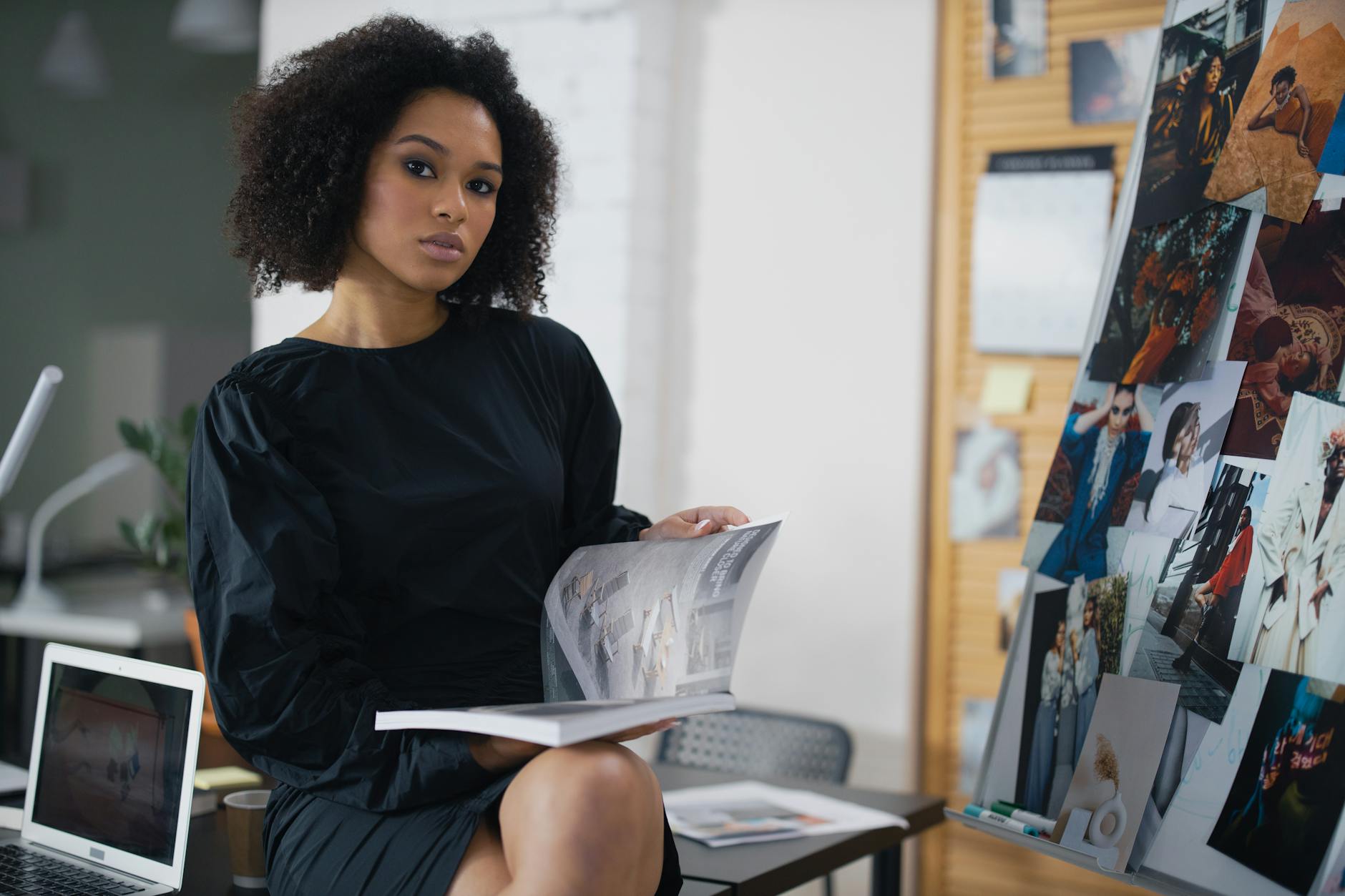
Fashion editors wield significant influence over consumer behavior, making their footwear choices particularly noteworthy for broader market trends. When editors consistently choose velcro sneakers, they signal to readers that these options represent viable alternatives to traditional fashion footwear.
This influence extends beyond fashion industry professionals. The same practical benefits that appeal to editors – adjustability, comfort during long days, ease of use – resonate with consumers facing similar challenges in their own professional lives. The adoption of velcro sneakers by respected fashion authorities provides permission for broader consumer adoption.
Similar trends have emerged in related footwear categories. The success of podiatrist-approved Mary Janes in fashion circles demonstrates how functionality-focused footwear can gain fashion credibility when embraced by industry influencers.
Retail data indicates increased sales of velcro sneakers in premium price segments, suggesting that fashion editors’ choices are translating into consumer behavior. Brands report that their velcro models are attracting customers who previously avoided such closures due to perceived style limitations.
The long-term implications of this trend extend beyond footwear. Fashion editors’ embrace of practical elements in their professional wardrobes may signal broader acceptance of functionality-focused fashion design. This shift could influence how designers approach the balance between aesthetics and practicality across all product categories.
As fashion work continues evolving with digital demands and changing industry practices, the practical needs of fashion professionals will likely drive further innovation in professional wardrobe solutions. The velcro sneaker adoption represents just the beginning of a larger transformation in how fashion industry professionals dress for success in modern working environments.
Frequently Asked Questions
Why are fashion editors choosing velcro sneakers over traditional heels?
Fashion editors need comfortable, adjustable footwear for long days moving between venues, standing during shows, and navigating various surfaces during fashion weeks.
Which luxury brands make velcro sneakers for fashion professionals?
Prada, Balenciaga, Maison Margiela, and Rick Owens have introduced sophisticated velcro-closure sneakers that meet fashion industry aesthetic standards.