





Sarah Martinez stares at her bedroom closet, overwhelmed by the chaos of wrinkled blazers, unworn statement pieces, and accessories tangled beyond recognition. The corporate lawyer works 70-hour weeks, travels frequently for clients, and hasn’t had time to properly organize her wardrobe in two years. Like thousands of other busy professionals, she’s discovered a solution that’s transforming how working people manage their personal style: professional wardrobe detoxing services.
The concept isn’t new, but the demand has exploded since 2022. Professional organizers who once focused on general home decluttering now specialize exclusively in closets and wardrobes. Companies like The Closet Edit, Styled by Committee, and local boutique services report 300% growth in bookings over the past 18 months, with waiting lists stretching weeks ahead.
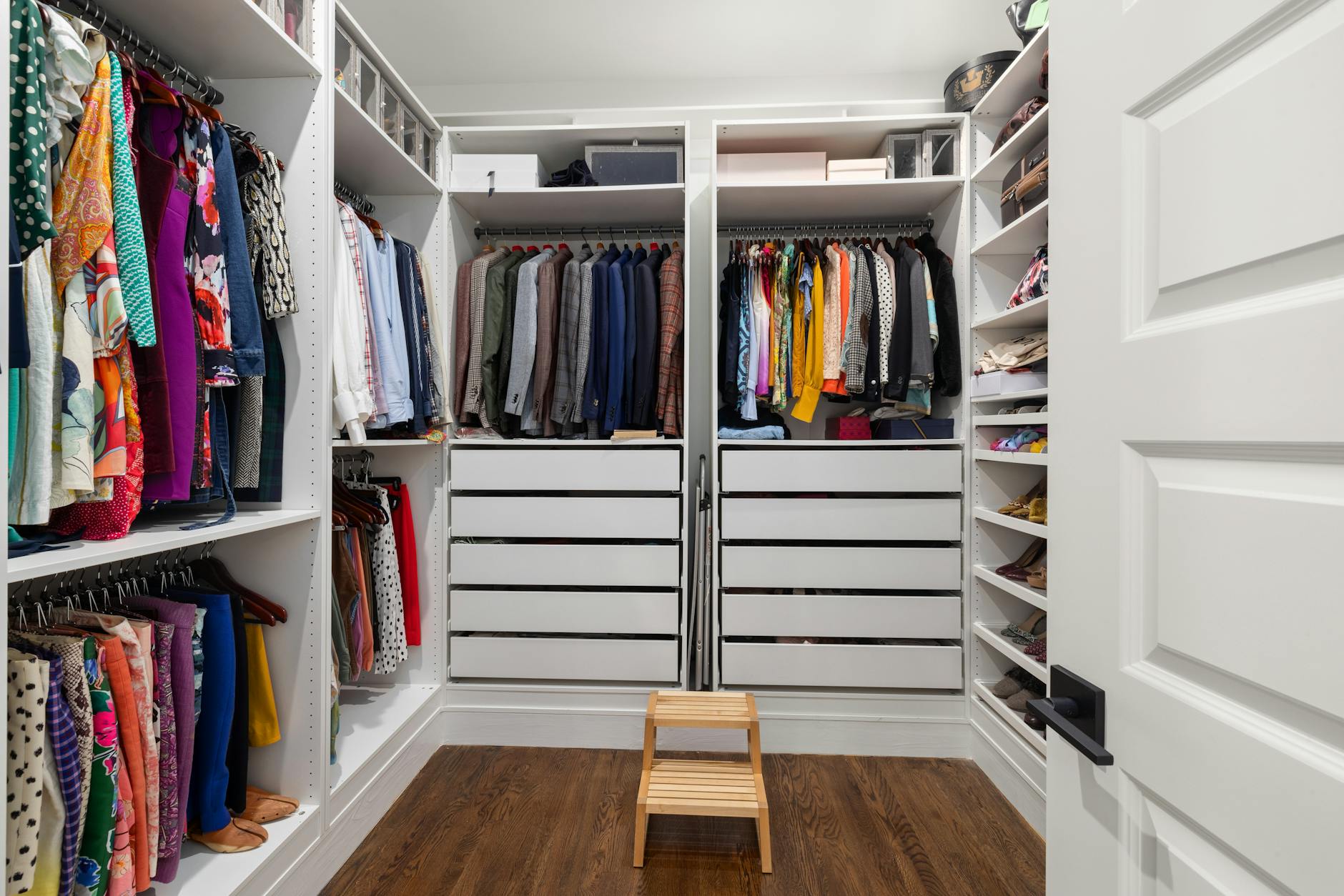
The Psychology Behind Closet Chaos
Fashion psychologists explain that wardrobe overwhelm affects decision-making and morning routines more than most people realize. Dr. Jennifer Baumgartner, author of “You Are What You Wear,” notes that professionals facing closet paralysis often spend 20-30 minutes each morning deciding what to wear, creating stress before their workday even begins.
“When your closet doesn’t function properly, it becomes a daily source of friction,” explains professional organizer Clea Shearer, co-founder of The Home Edit. “We see clients who own quality pieces but can’t access them efficiently. They end up wearing the same five items repeatedly while hundreds of dollars worth of clothing sits unworn.”
The issue compounds for professionals who travel frequently. Investment banker David Chen from San Francisco hired a wardrobe consultant after realizing he was packing inefficiently and often arrived at business trips missing key pieces. “I had suits I’d forgotten I owned and dress shirts still in packaging from two years ago,” he says. “Meanwhile, I was constantly buying duplicates because I couldn’t see what I actually had.”
Recent surveys from the Professional Organizers Association show that 78% of their members now offer specialized closet services, compared to just 34% in 2019. The shift reflects growing awareness that functional wardrobes directly impact professional confidence and time management.
How Professional Wardrobe Detoxing Works
Modern wardrobe detoxing services typically begin with a comprehensive inventory session. Professional organizers photograph every item, categorize pieces by function, and assess condition and fit. Unlike traditional decluttering that focuses on quantity reduction, wardrobe specialists prioritize functionality and versatility.
“We’re not telling clients to throw away half their closet,” explains celebrity stylist Rachel Zoe, whose team has expanded into wardrobe organization services. “We’re creating systems that make getting dressed effortless, even for people with extensive collections.”
The process usually involves three phases: assessment, reorganization, and system creation. Organizers identify gaps in professional wardrobes, suggest strategic additions, and create visual systems for easy outfit coordination. Many services now include digital catalogs, allowing clients to browse their own wardrobes via smartphone apps.

Technology integration has become standard practice. Apps like Stylebook and ClosetSpace allow organizers to create digital wardrobes with outfit combinations and weather-appropriate suggestions. Some high-end services include seasonal rotation plans and travel packing guides tailored to each client’s professional needs.
Pricing varies dramatically based on location and scope. Basic closet organization runs $75-150 per hour, while comprehensive wardrobe overhauls with shopping consultations can reach $2,000-5,000. Many professionals view this as a worthwhile investment compared to years of inefficient shopping and morning stress.
The sustainability angle appeals particularly to younger professionals. Rather than constantly buying new pieces, wardrobe detoxing helps people maximize existing investments. This aligns with broader trends toward conscious consumption and reflects the quiet luxury movement reshaping how millennials shop, emphasizing quality and longevity over quantity.
The Business Professional’s Wardrobe Revolution
Corporate dress codes have evolved significantly since remote work normalized business casual attire. Professional organizers report that clients now need help transitioning between home office comfort and in-person meeting requirements. This has created demand for “hybrid wardrobes” that function across multiple professional contexts.
“The old model of separate work and weekend wardrobes doesn’t work anymore,” notes stylist Brad Goreski. “Clients need pieces that transition from Zoom calls to client dinners to casual Fridays. That requires strategic planning, not just organization.”
Legal professionals, consultants, and finance workers represent the largest client base, but creative industries are catching up. Marketing executives and tech leaders increasingly invest in wardrobe services as they recognize the impact of personal presentation on career advancement.
Time savings motivate most clients more than aesthetic concerns. Management consultant Lisa Park from Chicago calculated that her wardrobe service saved her approximately 2.5 hours per week in getting-ready time and shopping decisions. “That’s over 120 hours annually,” she explains. “For someone billing at my hourly rate, the service pays for itself in productivity gains.”
Some companies now offer wardrobe organization as an employee benefit or executive perk. Investment firm Goldman Sachs reportedly provides styling services for senior executives, while tech companies in Silicon Valley include personal organization services in comprehensive wellness packages.
The Future of Professional Wardrobe Management
The wardrobe detoxing industry continues expanding beyond traditional organization services. Virtual consultations via video calls became standard during the pandemic and remain popular for follow-up sessions and seasonal planning. Some organizers now offer monthly maintenance services, adjusting wardrobes based on lifestyle changes, weight fluctuations, and evolving professional needs.
Artificial intelligence integration appears on the horizon. Several startups are developing apps that photograph closet contents and suggest outfits based on weather, calendar appointments, and personal style preferences. While these technologies remain in early stages, they indicate how wardrobe management might evolve beyond human consultation.
The subscription model shows promise for ongoing wardrobe maintenance. Services like Trunk Club and Stitch Fix focus on adding new pieces, but emerging companies emphasize optimizing existing wardrobes through quarterly consultations and seasonal rotations.
As workplace flexibility continues reshaping professional dress expectations, wardrobe detoxing services are positioning themselves as essential lifestyle support for time-pressed professionals. The industry’s growth suggests that functional, organized wardrobes represent more than vanity projects – they’re becoming recognized as productivity tools and stress-reduction strategies for modern professional life.
Frequently Asked Questions
How much do professional wardrobe detoxing services cost?
Basic closet organization runs $75-150 per hour, while comprehensive wardrobe overhauls range from $2,000-5,000 depending on scope and location.
What’s included in a wardrobe detoxing service?
Services typically include inventory assessment, reorganization, system creation, and often digital catalogs with outfit combinations and seasonal planning.