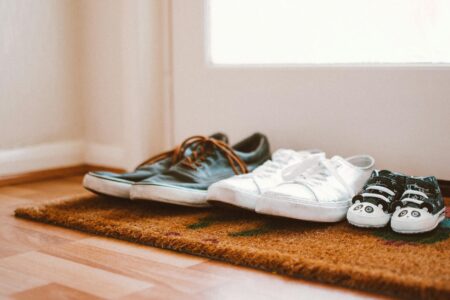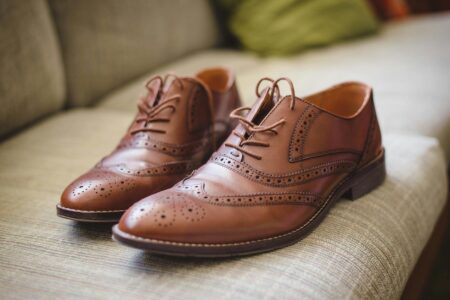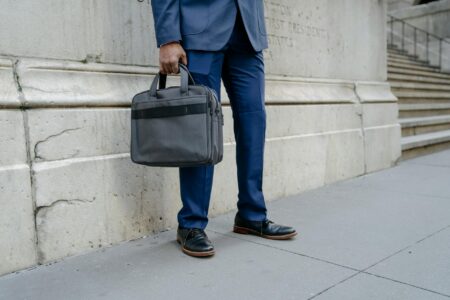





Restaurant kitchens have transformed into unexpected runways where safety meets style. The hospitality industry’s 15.3 million workers are ditching basic slip-resistant clogs for designer footwear that protects their feet while making a fashion statement. This shift represents more than workplace safety-it’s a cultural movement recognizing service workers deserve both protection and style.
The evolution began when celebrity chefs started showcasing their kitchen teams on social media. Suddenly, front-of-house and back-of-house staff found themselves in the spotlight, demanding footwear that looked as good as it performed. Major fashion brands took notice, launching collections specifically for the hospitality workforce.
Luxury Brands Enter the Kitchen
High-end shoe manufacturers are revolutionizing work footwear with collections that meet OSHA slip-resistance standards while delivering runway aesthetics. Brands like Shoes for Crews have partnered with fashion designers to create lines that rival luxury sneakers in appearance while maintaining the grip and durability required for 12-hour restaurant shifts.
The technology behind these designer work shoes has advanced significantly. Modern slip-resistant soles use rubber compounds originally developed for athletic footwear, providing superior traction on wet and greasy surfaces. The treads feature proprietary patterns that channel liquids away from the contact point, dramatically reducing slip incidents.
Restaurant workers report that stylish footwear improves their confidence and job satisfaction. “When I look good, I feel good, and that translates to better service,” says Maria Rodriguez, a server at a popular Miami restaurant. This sentiment echoes throughout the industry, where appearance directly impacts tips and career advancement.
Fashion-forward designs now include breathable uppers, moisture-wicking linings, and arch support that rivals athletic shoes. Colors range from classic black and brown to bold patterns and metallic finishes. Some models feature removable, washable insoles-crucial for maintaining hygiene in food service environments.
The Comfort Revolution in Service Industries
The hospitality industry’s demanding physical requirements have pushed manufacturers to innovate beyond basic safety features. Restaurant workers walk an average of 4-6 miles per shift on hard surfaces, making comfort technology essential. Advanced cushioning systems borrowed from running shoes now appear in slip-resistant footwear.
Memory foam insoles, gel heel inserts, and contoured footbeds address the specific needs of workers who spend entire shifts on their feet. These features help prevent common workplace injuries like plantar fasciitis, lower back pain, and leg fatigue that plague restaurant workers.
Similar to how podiatrist-approved Mary Janes conquered the fashion world, slip-resistant designer shoes are gaining recognition beyond their intended workplace. Fashion influencers and style bloggers have embraced certain models for their sleek aesthetics and all-day comfort.
The price point for designer slip-resistant shoes ranges from $80 to $300, representing a significant investment for many restaurant workers. However, the durability and comfort improvements justify the cost for those who view their footwear as professional equipment rather than disposable work gear.
Celebrity Chef Influence and Media Impact
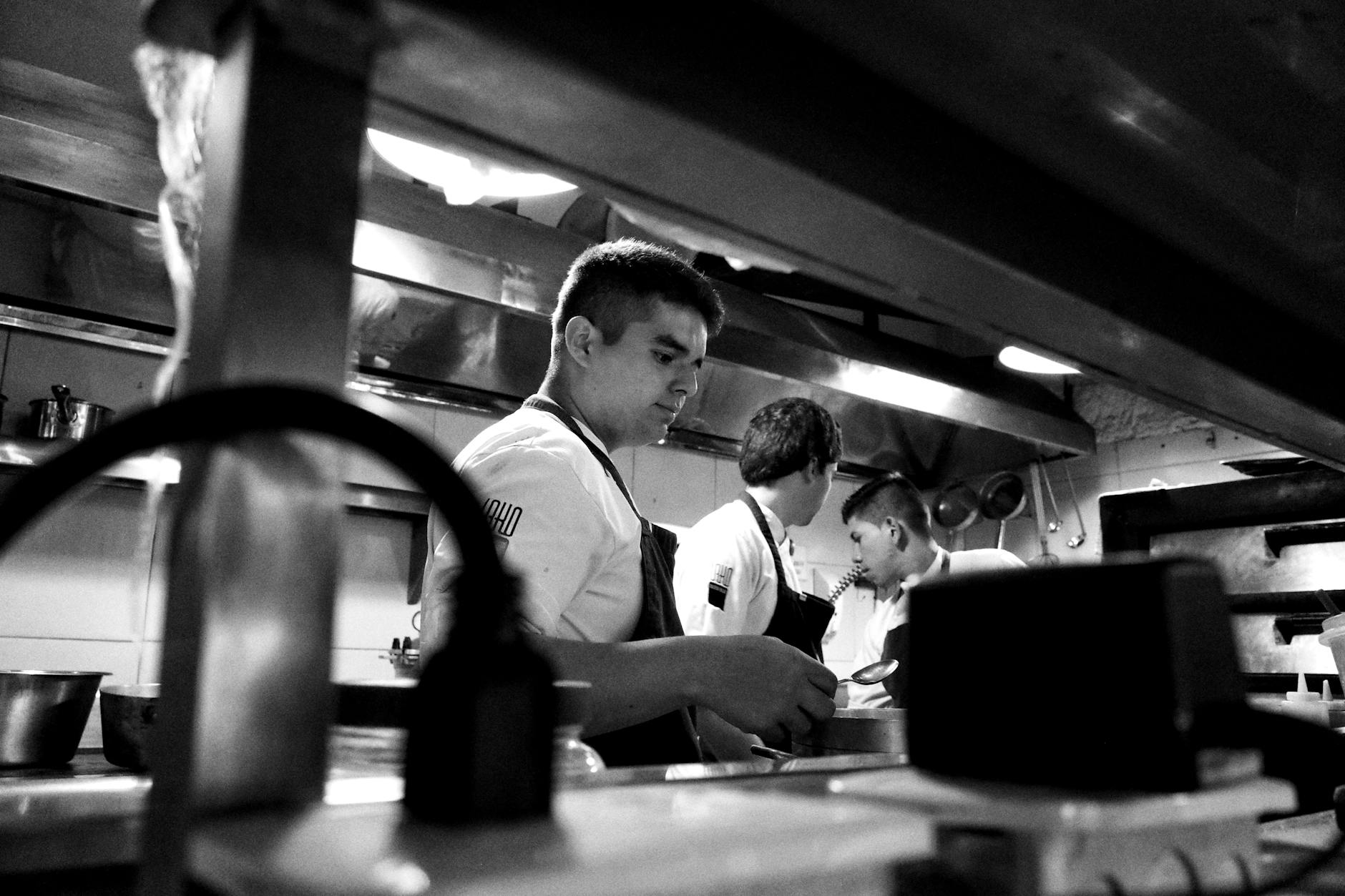
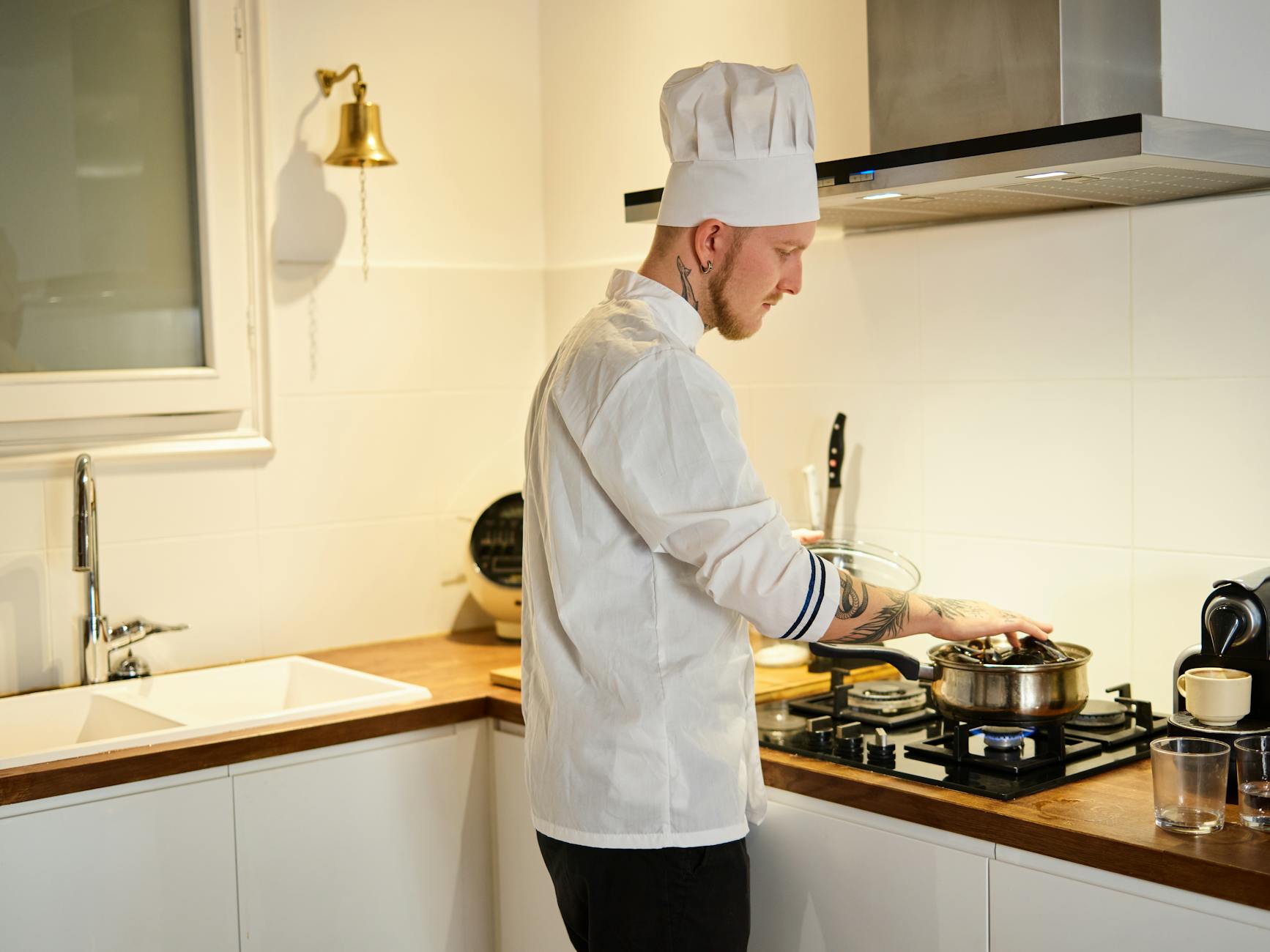
Television cooking shows and social media have elevated kitchen culture, making restaurant workers more visible than ever before. Celebrity chefs like Gordon Ramsay and José Andrés frequently showcase their teams, highlighting the professionalism required in modern restaurant operations. This visibility has created demand for footwear that photographs well while performing under pressure.
Instagram-worthy kitchen shots often feature coordinated team uniforms, including stylish slip-resistant shoes. Restaurants use these images for marketing, making staff appearance a business consideration. Forward-thinking establishments now include footwear allowances in their employee benefits packages.
The trend extends beyond restaurants into hotels, hospitals, and retail environments where workers face similar safety challenges while maintaining professional appearances. Healthcare workers, in particular, have embraced slip-resistant designer shoes as they navigate between patient-facing roles and clinical environments.
Food delivery drivers and catering staff also benefit from this footwear evolution. Their work requires transition between indoor and outdoor environments, making versatile slip-resistant shoes essential. The improved aesthetics allow them to represent their employers professionally while maintaining safety standards.
Technology Meets Fashion in Workplace Safety
Innovative materials science drives the latest generation of slip-resistant designer shoes. Manufacturers employ advanced rubber formulations that maintain flexibility in cold environments while providing superior grip on various surfaces. Some models incorporate recycled materials, appealing to environmentally conscious workers and employers.
Smart design features address specific workplace challenges. Reinforced toe caps protect against dropped items, while puncture-resistant soles guard against broken glass and metal debris common in restaurant environments. Water-resistant treatments keep feet dry during dishwashing duties and floor cleaning.
The aesthetic improvements don’t compromise functionality. Testing protocols ensure shoes meet or exceed industry standards for slip resistance, electrical hazard protection, and impact resistance. Independent laboratories verify performance claims, providing workers and employers confidence in their safety investments.
Customization options allow workers to express individual style within workplace dress codes. Interchangeable laces, removable accessories, and color variations provide personalization opportunities while maintaining safety standards. Some manufacturers offer custom embroidering and logo placement for restaurant teams.

The future of workplace footwear points toward complete integration of fashion and function. As the service industry continues growing and evolving, worker safety and satisfaction remain paramount concerns. The success of slip-resistant designer shoes demonstrates that safety equipment can enhance rather than compromise personal style.
This transformation reflects broader changes in how society views service work. Restaurant and hospitality employees deserve footwear that protects their health while acknowledging their professionalism and personal expression. The trend toward stylish safety gear represents respect for workers who keep our dining and hospitality experiences running smoothly.
Major footwear brands are expanding their workplace collections, suggesting this market will continue growing. As more restaurants recognize the connection between employee satisfaction and customer experience, investment in quality footwear becomes a competitive advantage. The slip-resistant designer shoe revolution is just beginning, promising even more innovative solutions that prioritize both safety and style.
Frequently Asked Questions
Do slip-resistant designer shoes really work in restaurant kitchens?
Yes, they meet OSHA safety standards while offering superior comfort and style compared to traditional work shoes.
How much do slip-resistant designer shoes cost?
Prices range from $80 to $300, with most professional-grade options falling between $120-200.