



American spas are witnessing an unprecedented surge in demand for Japanese facial massage tools, with some high-end establishments reporting month-long waiting lists for treatments featuring these centuries-old techniques. The movement gained significant momentum after celebrities like Gwyneth Paltrow and Jennifer Aniston publicly endorsed gua sha and konjac sponges, but it’s the deeper traditional practices that are now capturing serious attention from wellness professionals.
The trend represents more than just another beauty fad. Spa owners across major cities report that clients are specifically requesting Japanese-inspired treatments, often arriving with their own research about specific tools and techniques. This educated consumer base is driving spas to invest in authentic training and premium-quality implements, transforming what was once a niche offering into a mainstream revenue generator.

The Ancient Tools Finding Modern Applications
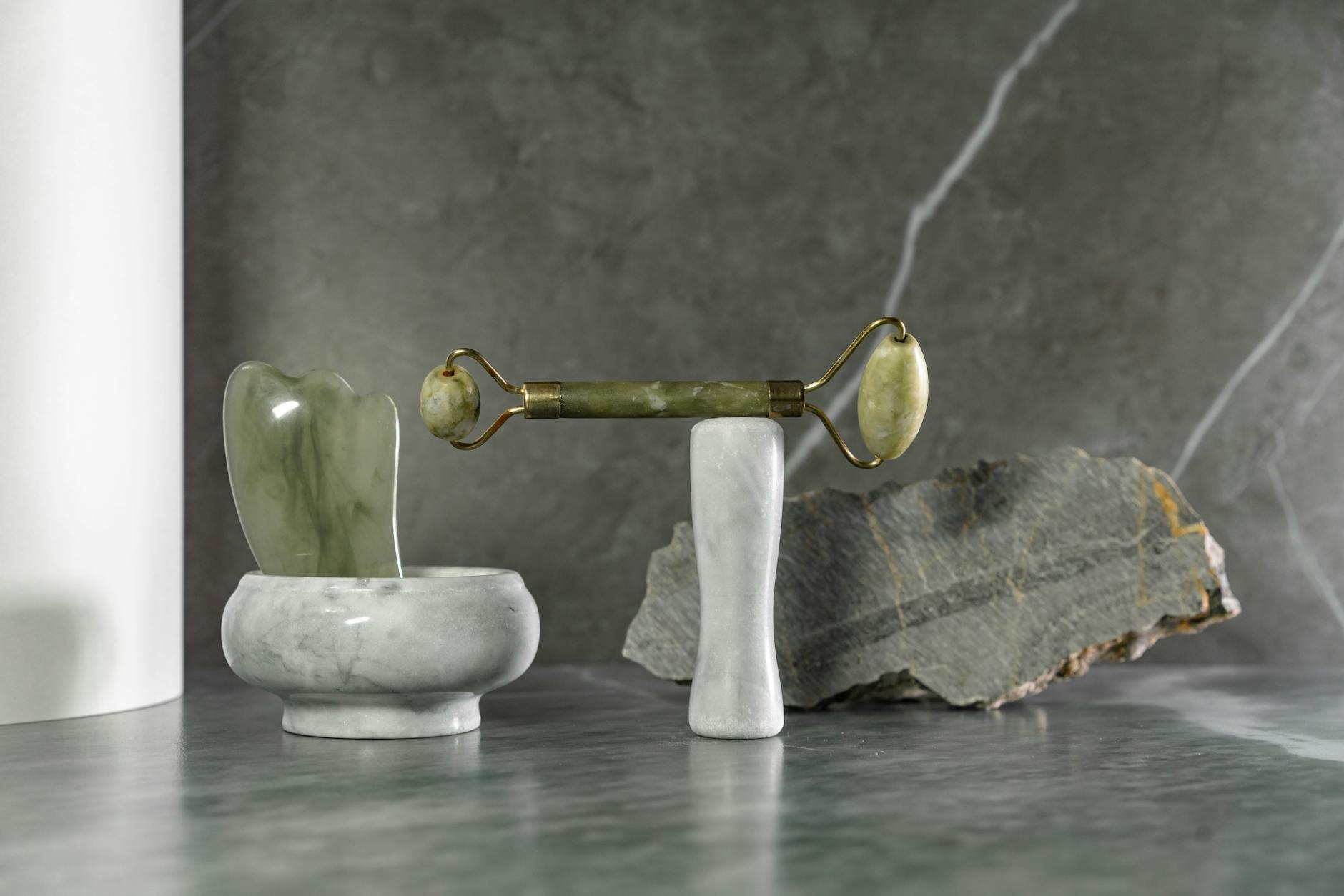
Japanese facial massage centers around several key implements, each designed for specific therapeutic benefits. The kobido technique, literally meaning “ancient way of beauty,” uses primarily hands and fingers but incorporates tools like jade rollers and specialized wooden implements called bincho charcoal wands.
Gua sha tools made from bian stone represent perhaps the most recognizable element, though authentic Japanese versions differ significantly from their Chinese counterparts in both material composition and application technique. Japanese gua sha typically uses softer pressure and incorporates more lymphatic drainage movements, making it suitable for sensitive facial skin.
Konjac sponges, derived from the Asian konjac plant, have become staples in American spa treatments. These naturally antimicrobial sponges provide gentle exfoliation while maintaining the skin’s pH balance. Quality konjac sponges can cost upwards of fifty dollars each, but their durability and effectiveness have made them popular investments for both spas and individual consumers.
The bamboo facial massage tools represent another category gaining traction. These implements, traditionally crafted by Japanese artisans, provide firm pressure for deep tissue work while remaining gentle enough for facial application. Many American spas are partnering directly with Japanese suppliers to ensure authenticity and quality.
Training and Certification Driving Professional Standards
The integration of these tools requires extensive training, creating a new category of specialized spa professionals. Several institutes now offer certification programs in Japanese facial massage techniques, with some requiring practitioners to study for months before achieving competency.
The International Association of Healthcare Practitioners recently added Japanese facial massage to their continuing education requirements, recognizing the technique’s therapeutic value beyond cosmetic benefits. Licensed massage therapists report that mastering these techniques typically requires 40-80 hours of specialized training, significantly more than most spa treatments.
Training programs emphasize the philosophical foundations underlying Japanese beauty practices, teaching practitioners to view facial massage as a holistic wellness practice rather than simply a cosmetic procedure. This approach resonates with American consumers increasingly interested in mindful self-care practices.
Several prominent spa chains have invested heavily in staff training, sending teams to Japan for immersive learning experiences. These investments reflect confidence in long-term demand, with some establishments reporting that Japanese facial treatments now account for thirty percent of their service bookings.
Consumer Response and Market Growth
Consumer response has exceeded industry expectations, with many spas expanding their Japanese treatment menus within months of introduction. The demographic spans beyond traditional spa clientele, attracting younger consumers interested in preventative skincare and older clients seeking non-invasive alternatives to cosmetic procedures.
Social media has amplified interest significantly, with Japanese facial massage techniques generating millions of views across platforms. This organic marketing has created informed consumers who arrive at spas with specific tool preferences and technique requests, forcing establishments to maintain high standards and authentic practices.
The retail component has proven equally successful. Spas report strong sales of Japanese tools for home use, with some clients purchasing full sets of implements following professional treatments. This creates ongoing relationships and additional revenue streams beyond service appointments.
Market research indicates that the Japanese facial massage tool segment could reach significant growth within the next three years, driven by consumer interest in authentic Asian beauty practices and natural wellness approaches.
Integration with Modern Spa Practices
Progressive spas are integrating Japanese tools with contemporary treatments, creating hybrid services that blend traditional techniques with modern skincare science. This approach satisfies clients seeking both authenticity and proven results.
Many establishments combine Japanese massage techniques with LED light therapy, creating comprehensive treatments that address multiple skin concerns simultaneously. The tools’ ability to enhance product absorption makes them valuable additions to high-end facial services.
Professional estheticians report that Japanese tools provide tangible results that clients can feel immediately, including improved circulation, reduced puffiness, and enhanced skin texture. These immediate benefits contribute to high client satisfaction and repeat bookings.
The integration process requires careful consideration of sanitation protocols, as traditional materials like wood and stone require specialized cleaning procedures. Successful spas have developed comprehensive hygiene systems that maintain tool integrity while meeting health department standards.
The Japanese facial massage movement in American spas represents a meaningful shift toward authentic, results-driven beauty practices. As consumers become increasingly educated about skincare and wellness, demand for these traditional techniques continues growing. The success of early adopters suggests that Japanese facial massage tools will become permanent fixtures in the American spa landscape, joining other traditional beauty innovations that have found lasting appeal in modern wellness culture.
Industry experts predict continued expansion as more practitioners complete certification programs and consumers experience the distinctive benefits these ancient tools provide. The movement’s emphasis on mindful, therapeutic touch addresses growing consumer interest in wellness practices that deliver both immediate satisfaction and long-term benefits.
Frequently Asked Questions
What are the most popular Japanese facial massage tools in American spas?
Gua sha stones, konjac sponges, bamboo massage tools, and bincho charcoal wands are the most requested implements.
How much training do spa professionals need for Japanese facial massage?
Most certification programs require 40-80 hours of specialized training to master authentic techniques safely.