



The click of stilettos on marble floors is giving way to the steady thud of hiking boots in America’s corporate boardrooms. From Silicon Valley startups to Wall Street firms, female executives are trading traditional power pumps for rugged outdoor footwear, creating an unexpected intersection between wilderness gear and workplace authority.
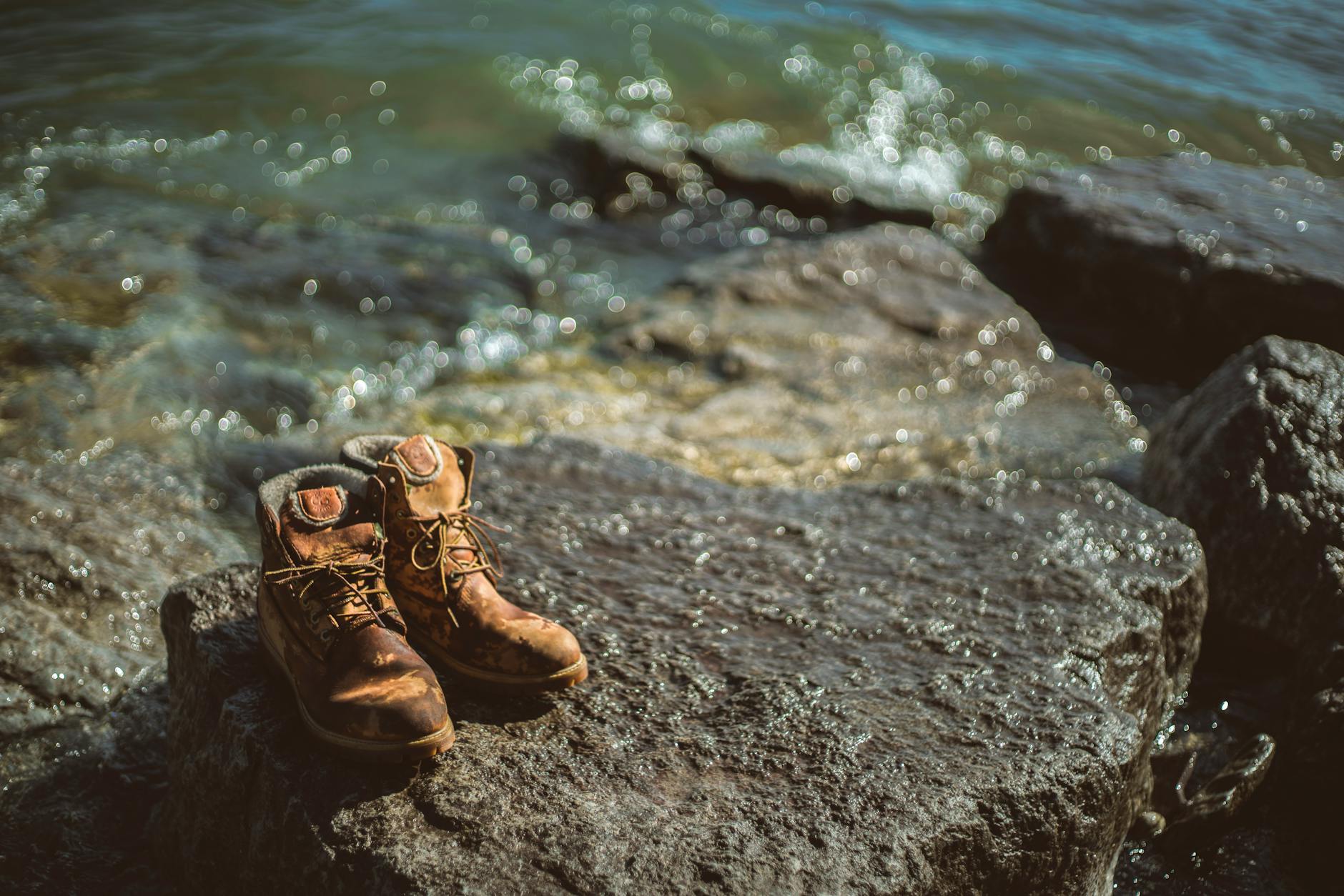
This isn’t about casual Friday flexibility or pandemic-era comfort trends. High-achieving women are deliberately choosing hiking boots as their statement shoe, wearing brands like Merrell, Salomon, and Patagonia to client meetings, board presentations, and networking events. The message is clear: these leaders are ready for any terrain, literal or metaphorical.
The Psychology Behind the Boot
Corporate psychologists point to hiking boots as symbols of preparedness and resilience. Unlike traditional heels that suggest fragility and limitation, hiking boots communicate capability and endurance. Dr. Sarah Chen, a workplace behavior specialist at Stanford Business School, explains that footwear choices send immediate visual cues about competence and leadership style.
“Women in executive roles face constant scrutiny about their appearance and authority,” Chen notes. “Hiking boots subvert traditional feminine expectations while projecting strength and practicality. They suggest someone who can handle difficult terrain and unexpected challenges.”
The trend gained momentum during the pandemic when many executives relocated to mountain towns and rural areas while maintaining their corporate roles. Remote work culture normalized rugged footwear in professional settings, but the practice has continued even as in-person meetings resume. Tech leaders like Patagonia CEO Ryan Gellert have long modeled this aesthetic, but now female executives across industries are adopting similar approaches.
Investment banker turned venture capitalist Maria Rodriguez regularly wears her Salomon trail runners to pitch meetings in downtown San Francisco. “I close more deals in these boots than I ever did in Louboutins,” she says. “They signal that I’m not afraid to get my hands dirty and that I take action rather than just talking about it.”
Fashion Meets Function in Professional Settings
The hiking boot trend represents a broader shift toward utilitarian fashion in professional environments. Major luxury brands have taken notice, with companies like Prada and Bottega Veneta introducing their own versions of “luxury hiking boots” designed for urban environments.
Styling these rugged shoes for corporate settings requires strategic thinking. Fashion consultants recommend pairing hiking boots with tailored pieces to create intentional contrast. A structured blazer with hiking boots suggests confidence and unconventional thinking. Midi skirts or cropped trousers showcase the boots while maintaining professional proportions.
Color choices matter significantly in professional contexts. Black and brown hiking boots blend more seamlessly with traditional business attire, while brighter colors or technical features make stronger statements about personality and leadership style. Some executives choose subtle earth tones that complement their existing wardrobe, while others deliberately select bold colors as conversation starters.

The comfort factor cannot be overlooked in demanding professional environments. While traditional dress shoes often prioritize appearance over support, hiking boots provide genuine comfort during long workdays. Female executives report feeling more confident and focused when their feet don’t hurt, leading to better performance in high-stakes situations.
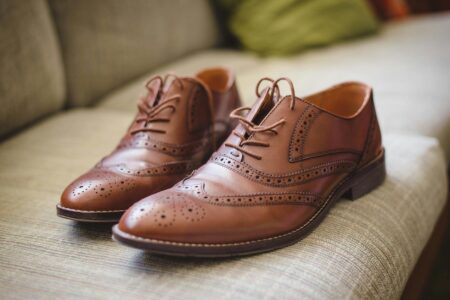
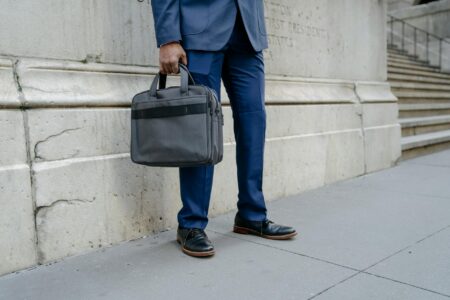
This practical approach aligns with broader trends in professional footwear. Just as podiatrist-designed dress shoes are trending among CEOs, hiking boots represent another evolution toward footwear that supports both professional image and physical wellbeing.
Industry Adoption and Cultural Resistance
Acceptance varies significantly across industries and geographic regions. Technology companies, outdoor brands, and creative agencies embrace hiking boots more readily than traditional finance or law firms. West Coast companies show greater openness to unconventional professional footwear compared to East Coast institutions.
Some organizations still maintain strict dress codes that exclude hiking boots, viewing them as too casual for client-facing roles. However, these policies are gradually evolving as younger executives rise to leadership positions and workplace culture continues shifting toward authenticity and comfort.
The generational divide is particularly pronounced. Millennial and Gen Z female leaders more readily adopt hiking boots as power shoes, while older executives often view them as inappropriate for serious business contexts. This tension reflects broader changes in professional expectations and authority structures.
Regional differences also influence acceptance. Female executives in Denver, Seattle, and Austin face less resistance when wearing hiking boots to business meetings compared to those in New York, London, or Hong Kong. Geographic context shapes both the practicality and perception of rugged footwear in professional settings.
The Future of Executive Footwear
The hiking boot trend signals a fundamental shift in how female executives express authority and competence through fashion choices. As workplace culture continues evolving toward authenticity and practical comfort, traditional power dressing rules are being rewritten by women who refuse to sacrifice functionality for appearance.
Major footwear brands are responding with new product lines specifically designed for professional wear. These hybrid designs combine hiking boot technology with more refined aesthetics suitable for corporate environments. The market for “executive outdoor footwear” continues expanding as demand grows among professional women.
This trend extends beyond individual fashion choices to represent changing definitions of professional power and feminine authority. Female executives wearing hiking boots challenge traditional expectations while demonstrating that competence and comfort can coexist in professional settings.
The message resonates beyond the boardroom. As more high-profile female leaders embrace practical footwear choices, they normalize alternatives to traditional feminine professional dress. This creates space for authentic self-expression while maintaining professional credibility and authority.
The hiking boot phenomenon reflects broader cultural shifts toward valuing substance over style and authenticity over conformity in professional environments. As these rugged shoes continue gaining acceptance in corporate America, they’re reshaping conversations about professional image, feminine power, and the future of workplace fashion.
Frequently Asked Questions
Why are female executives wearing hiking boots to work?
They project strength, preparedness, and authenticity while providing comfort during demanding workdays, challenging traditional feminine professional expectations.
Are hiking boots appropriate for all professional settings?
Acceptance varies by industry and region, with tech companies and West Coast firms more open than traditional finance or East Coast institutions.