




A grandmother’s hobby has become Gen Z’s stealth wealth uniform. Crochet cardigans, once relegated to church bazaars and nursing home craft circles, now command attention on TikTok runways and celebrity street style photos. From Bella Hadid’s oversized cream cardigan spotted outside Nobu to Emma Chamberlain’s vintage-inspired pieces, the humble crocheted sweater has emerged as the unexpected answer to quiet luxury’s minimalist demands.
The rise isn’t coincidental. As Gen Z rebels against logo-heavy fashion and embraces “stealth wealth” aesthetics, handmade cardigans offer the perfect paradox: expensive-looking pieces that whisper rather than shout. Unlike fast fashion’s synthetic alternatives, quality crochet work carries an unmistakable artisanal weight that speaks to discerning eyes without broadcasting price tags.
The Handmade Premium Revolution
Crochet cardigans tap into Gen Z’s obsession with authenticity and craftsmanship. Each piece carries visible proof of human hands at work – slightly irregular stitches, unique tension patterns, subtle color variations that machines cannot replicate. This imperfection has become a luxury marker, distinguishing handmade pieces from mass-produced alternatives.
High-end retailers have noticed. Ganni’s crochet cardigans regularly sell out at $400-600 price points, while independent makers on Etsy command $200-400 for custom pieces. The disconnect between material cost and final price reflects labor value – quality crochet work requires 20-40 hours per cardigan, making each piece a wearable investment in time and skill.
The trend parallels broader shifts toward supporting small businesses and artisans. Gen Z consumers increasingly research makers’ stories, following crochet artists on Instagram and commissioning personalized colorways. This direct relationship between creator and consumer bypasses traditional retail markups while ensuring fair compensation for skilled labor.
Celebrity endorsement has accelerated adoption. When Taylor Swift wore a cream crochet cardigan in her “Folklore” era imagery, searches for similar pieces spiked 300% according to fashion analytics firm Lyst. The cardigan’s cozy, intellectual aesthetic aligned perfectly with pandemic-era comfort dressing and cottagecore movements.
Technical Sophistication Meets Nostalgic Appeal
Modern crochet cardigans bear little resemblance to their 1970s predecessors. Contemporary designers employ advanced construction techniques, creating structured shoulders, tailored waistlines, and sophisticated colorwork that rivals machine-knitted luxury pieces. The granny square stereotype has evolved into complex cable patterns, intricate lacework, and architectural silhouettes.
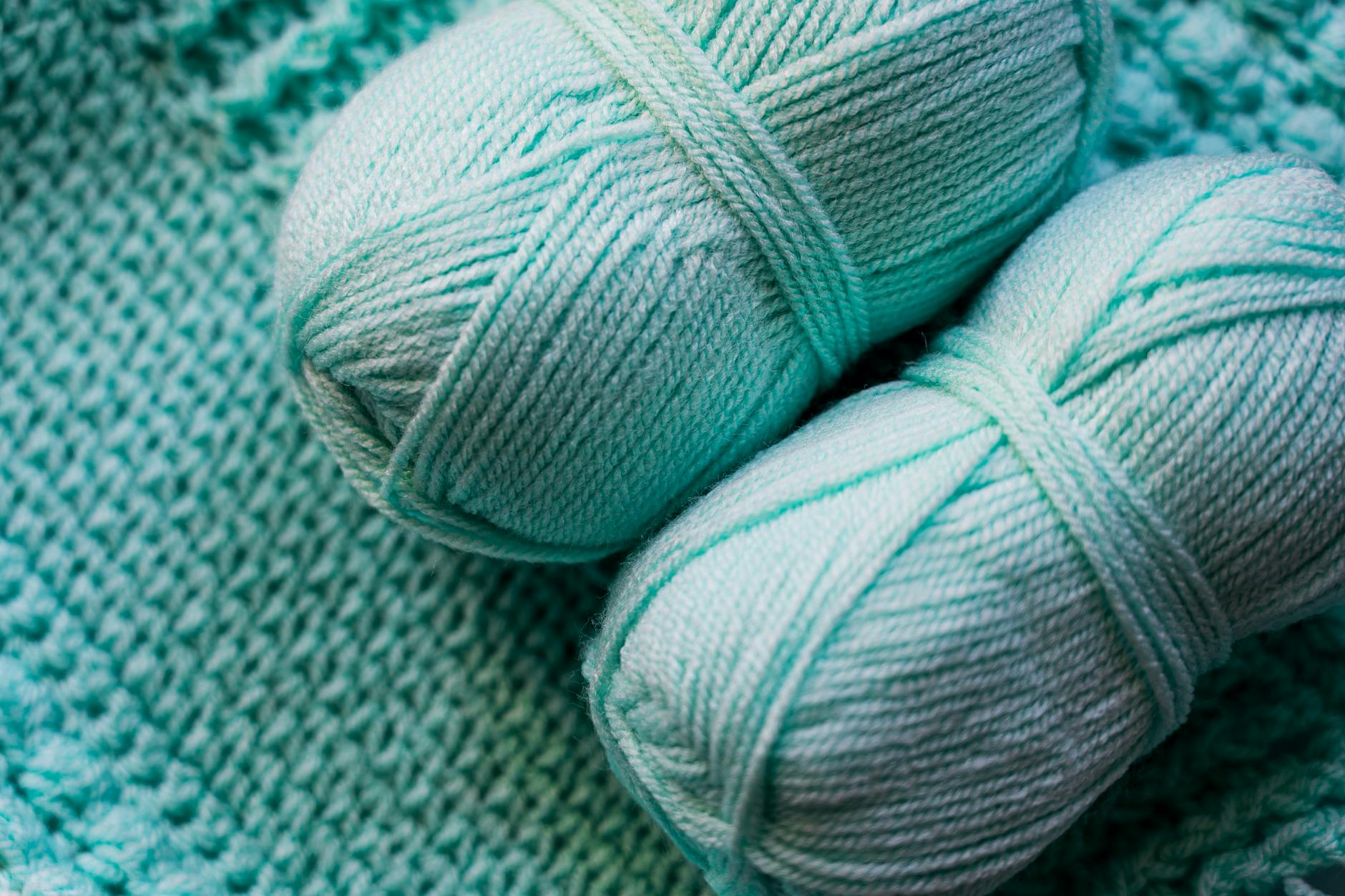
Fiber selection drives much of the luxury positioning. Premium cardigans utilize cashmere, alpaca, and silk-cotton blends rather than scratchy acrylic yarns. These natural fibers provide drape, breathability, and longevity that justify higher price points. Sustainable considerations also influence material choices, with many makers sourcing deadstock yarns or eco-friendly alternatives.
Color palettes reflect quiet luxury principles. Neutral tones dominate – cream, oatmeal, sage, dusty rose, and soft gray create versatile pieces that integrate seamlessly into capsule wardrobes. Earth tones and muted jewel tones provide subtle richness without loud statement-making. The restraint signals sophistication to those familiar with luxury’s “if you know, you know” codes.
Construction quality separates premium pieces from amateur attempts. Professional crocheters employ blocking techniques to achieve perfect drape, reinforce stress points with strategic increases, and finish seams invisibly. These technical details create garments that maintain their shape through repeated wear and washing, justifying investment pricing.
The versatility factor cannot be understated. Quality crochet cardigans transition from casual coffee runs to dinner dates, layering over slip dresses or pairing with tailored trousers. This adaptability appeals to Gen Z’s multi-hyphenate lifestyles and sustainable fashion values, reducing the need for multiple specialized pieces.
Social Media Amplification and Community Building
TikTok has transformed crochet from solitary hobby to viral phenomenon. Hashtags like #crochetcardigan and #grannycore have generated millions of views, showcasing both finished pieces and creation processes. Time-lapse videos of cardigan construction mesmerize viewers, building appreciation for the skill and patience required.
The platform’s algorithm favors authentic, handmade content over polished brand campaigns. Independent crochet artists gain followings by sharing technique tutorials, color inspiration, and personal stories. This organic growth creates genuine influence that translates into sales and commissions.
Instagram provides longer-form storytelling opportunities. Makers document entire projects from yarn selection through final styling, building anticipation and educating followers about quality indicators. Behind-the-scenes content humanizes the creation process, strengthening emotional connections between makers and customers.
YouTube’s tutorial ecosystem has democratized crochet education. Detailed pattern explanations and technique demonstrations enable skill development, creating a pipeline of new makers who appreciate handmade quality. This educational content also helps consumers distinguish between machine-made and handcrafted pieces, supporting premium pricing for genuine artisan work.
The community aspect extends beyond individual purchases. Crochet circles, both virtual and physical, provide social connection around shared interests. Gen Z participants find belonging in these intergenerational spaces, learning from experienced crafters while bringing fresh aesthetic perspectives.
Market Evolution and Future Prospects
The crochet cardigan trend intersects with broader movements toward sustainable fashion and artisanal luxury. As luxury brands partner with textile recycling initiatives, handmade pieces offer inherently sustainable alternatives to mass production. Each cardigan represents reduced environmental impact through local production, natural materials, and extended garment lifespan.
Established fashion houses are taking notice. Bottega Veneta’s recent crochet accessories and Jacquemus’s knitted separates signal high fashion’s embrace of handcraft techniques. These luxury interpretations validate the aesthetic while potentially pricing out original enthusiasts – a familiar pattern in trend adoption cycles.
Independent makers face scaling challenges as demand grows. The time-intensive nature of quality crochet work limits production capacity, creating natural scarcity that supports premium pricing. Some entrepreneurs are developing small-team workshops or pattern licensing models to increase output while maintaining handmade authenticity.
Customization capabilities set crochet apart from manufactured alternatives. Customers can request specific colors, sizing adjustments, and design modifications that reflect personal style preferences. This bespoke element appeals to Gen Z’s desire for individual expression within broader trend participation.
The intersection with vintage fashion culture reinforces the trend’s longevity potential. Quality crochet pieces from decades past remain wearable today, suggesting contemporary versions could become tomorrow’s collectible items – similar to how vintage band tees evolved into investment pieces.
As quiet luxury continues dominating fashion conversations, crochet cardigans occupy a unique position. They satisfy desires for understated elegance, artisanal quality, and sustainable consumption while remaining accessible to skilled home crafters. The trend’s foundation in genuine skill and community connection suggests staying power beyond typical fashion cycle limitations.
The future likely holds continued growth as more consumers discover the satisfaction of owning truly unique, handcrafted pieces. Whether purchased from independent artists or created personally, crochet cardigans represent fashion’s return to human-scale production and lasting value over disposable trends.
Frequently Asked Questions
Why are crochet cardigans considered quiet luxury?
They offer expensive-looking craftsmanship and quality materials without obvious branding, appealing to understated wealth aesthetics.
How much do quality crochet cardigans cost?
Premium handmade pieces range from $200-600 depending on materials and construction complexity, reflecting skilled labor time.