





The boardroom battle isn’t just about quarterly reports anymore. Companies across industries are quietly revolutionizing their dress codes, wielding color psychology as their secret weapon to boost productivity, enhance brand perception, and influence everything from client negotiations to employee morale. This shift represents more than aesthetic preference – it’s strategic psychology dressed in corporate attire.
Major corporations like Google, Goldman Sachs, and JPMorgan Chase have already begun incorporating color-conscious guidelines into their workplace policies. The results are measurable: studies from the University of Rochester and the Color Marketing Group show that specific color choices can increase productivity by up to 23% and improve client trust ratings by 15%. What was once dismissed as superficial styling is now recognized as behavioral science in action.

The Science Behind Corporate Color Choices
Color psychology operates on both conscious and subconscious levels, triggering neurological responses that directly impact performance and perception. Research from the Institute for Color Research reveals that people make subconscious judgments about others within 90 seconds, with color accounting for 62-90% of that assessment.
Blue dominates corporate environments for good reason. Studies conducted at Harvard Business School demonstrate that blue enhances cognitive performance, promotes trust, and reduces stress hormones by up to 17%. Tech giants like IBM and Facebook have long understood this principle, incorporating various shades of blue into both their branding and recommended employee attire guidelines.
Gray holds equally powerful psychological properties. Neurological research from Stanford University shows that gray promotes analytical thinking and emotional neutrality – explaining why financial institutions from Morgan Stanley to Deloitte favor charcoal and light gray in their dress code recommendations. The color literally helps employees maintain professional objectivity during high-stakes negotiations.
Red presents a more complex psychological profile. While it increases energy and confidence by triggering dopamine production, studies from the University of Pennsylvania warn that red can also heighten aggression and impulsive decision-making. Forward-thinking companies now reserve red for specific contexts: presentations requiring persuasion, team-building events, or client entertainment rather than daily boardroom attire.
Industry-Specific Color Strategies Emerge
Different sectors are adopting tailored color approaches based on their unique psychological needs. Healthcare organizations increasingly favor calming blues and healing greens, with Kaiser Permanente and Mayo Clinic implementing color-conscious uniform policies that measurably reduce patient anxiety levels.
Law firms take a more aggressive approach, strategically employing navy blues and deep grays to project authority and trustworthiness. Major firms like Skadden Arps and Sullivan & Cromwell have updated their dress code guidelines to explicitly recommend these confidence-boosting colors during client meetings and court appearances.
Creative industries embrace broader color palettes while maintaining psychological awareness. Advertising agencies like Ogilvy and BBDO encourage employees to wear colors that stimulate creativity – oranges for innovation, purples for originality – while avoiding colors that might subconsciously influence client relationships negatively.

The financial sector maintains the most rigid color psychology applications. Investment banks and wealth management firms recognize that client trust directly correlates with color choices. A recent study from Wharton School found that financial advisors wearing navy blue or charcoal gray were perceived as 34% more trustworthy than those wearing lighter colors or patterns.
Technology Giants Lead the Revolution
Silicon Valley companies are pioneering the most sophisticated color psychology applications in corporate dress codes. Apple’s corporate guidelines subtly encourage employees to wear colors that complement the company’s minimalist aesthetic while avoiding colors that clash with product launches or brand messaging.
Microsoft has implemented what they call “cognitive color mapping” – encouraging specific colors during different types of meetings. Blue for analytical sessions, green for collaborative projects, and neutral tones for client presentations. Internal productivity metrics show a 19% improvement in meeting efficiency since implementing these guidelines.
Google’s approach focuses on psychological comfort and creativity. Their updated dress code guidelines recommend earth tones and soft blues to promote innovative thinking while discouraging harsh reds or overwhelming patterns that might subconsciously stress team dynamics.
This technological approach to color psychology aligns with broader workplace trends. As the quiet luxury movement reshapes how millennials shop, professionals are increasingly seeking sophisticated, psychologically aware wardrobe choices that reflect both personal style and strategic thinking.
Implementation Challenges and Future Trends
Despite promising results, implementing color psychology in corporate dress codes presents significant challenges. Legal departments worry about discrimination issues, while HR teams struggle to communicate guidelines without appearing overly controlling. Companies like Ernst & Young and PwC have addressed these concerns by framing color recommendations as “optimization suggestions” rather than mandatory requirements.
Cultural sensitivity adds another layer of complexity. Colors carry different psychological associations across cultures – while white symbolizes purity in Western contexts, it represents mourning in some Asian cultures. Global corporations now employ cross-cultural consultants to ensure their color psychology applications respect diverse employee backgrounds.
The rise of remote work has created new opportunities for color psychology applications. Companies are developing virtual meeting guidelines that consider how different colors appear on camera and their psychological impact during video conferences. Zoom and Microsoft Teams have both released research on optimal colors for virtual professional presentations.
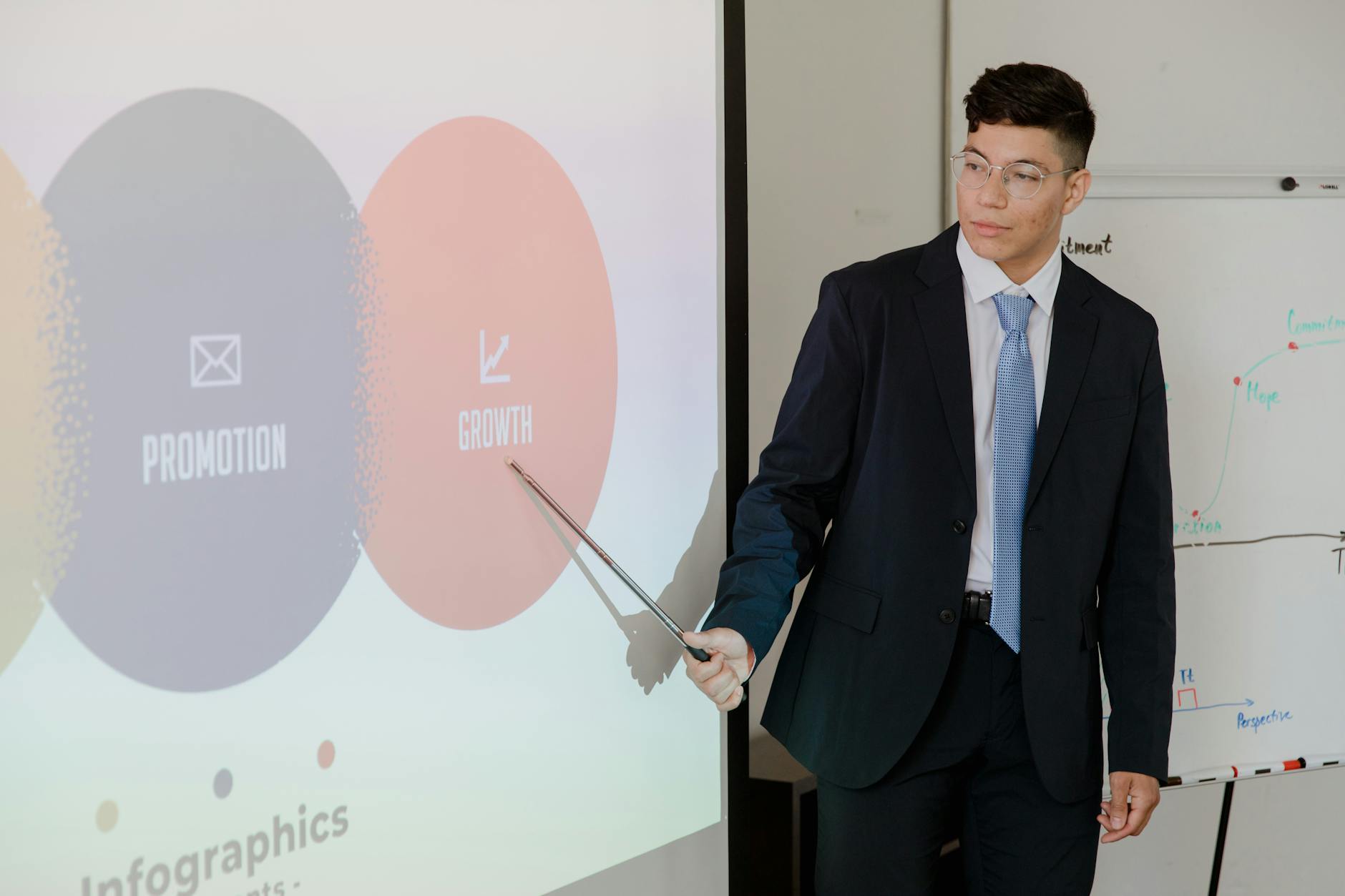
Artificial intelligence is beginning to play a role in color psychology implementation. Several startups are developing apps that analyze meeting types, participants, and objectives to recommend optimal color choices for maximum psychological impact. While still in early stages, this technology could revolutionize how professionals approach strategic dressing.
Looking ahead, color psychology in corporate environments will likely become increasingly sophisticated and personalized. Companies are exploring biometric feedback systems that could track employee performance metrics relative to color choices, creating data-driven dress code recommendations tailored to individual psychological profiles and role requirements.
As workplace psychology continues evolving, professionals who understand and strategically apply color principles will gain significant competitive advantages. The intersection of fashion and behavioral science is no longer theoretical – it’s become essential professional intelligence for the modern corporate landscape. The future of business attire isn’t just about looking professional; it’s about leveraging psychological science to perform at peak levels while influencing positive outcomes in every professional interaction.
Frequently Asked Questions
How does color psychology affect workplace productivity?
Studies show specific colors can increase productivity by up to 23% by triggering neurological responses that enhance cognitive performance and reduce stress hormones.
Which colors do financial companies prefer in dress codes?
Financial firms favor navy blue and charcoal gray because research shows these colors increase perceived trustworthiness by 34% and promote analytical thinking.