




The move away from athletic footwear and toward fashion-led shoes is not going to arrive in a single season. It will be gradual, spread across several years.
The shoes are leading it.
That ordering matters for anyone buying, styling, or simply getting dressed. As footwear moves, apparel follows, and the wider wardrobe drifts from athletic casual toward polished casual. The sweatpants-and-trainers uniform does not vanish overnight. It loosens, piece by piece, starting at the ground and working upward.
Why the Shoe Sets the Pace
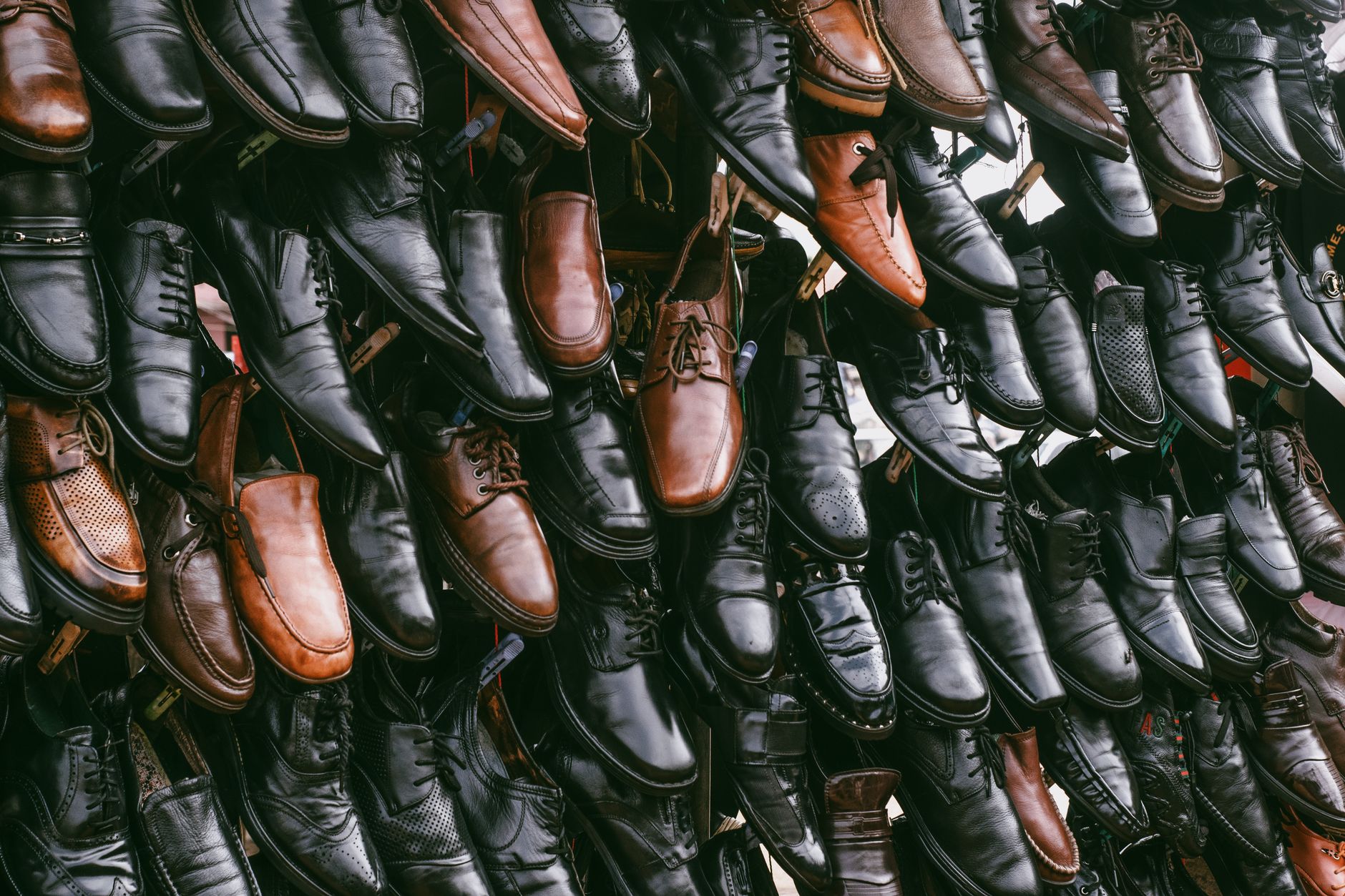
A pair of shoes is the easiest place to start a wardrobe change. It is a single purchase, it anchors an outfit, and it announces a mood before anyone notices the trousers or the jacket. When the shoe changes character, everything above it begins to look slightly mismatched, and that mismatch is what pushes people to update the rest.
Think about what happens when a closet built around athletic casual meets a shoe with more structure. A technical jogger and an oversized hoodie sit comfortably next to a performance sneaker. Put a sleeker, more formal shoe underneath that same outfit and the proportions look off. The hoodie suddenly seems too shapeless, and the trousers too soft. The shoe has set a new standard, and the clothes have to catch up.
That is why a footwear shift reads as a leading indicator rather than an isolated trend. Apparel changes more slowly because it costs more to replace in bulk and takes longer to wear out. Shoes turn over faster in a wardrobe, so they absorb new ideas first. Polished casual, the destination here, arrives through the feet before it reaches the shoulders.
A Cycle Measured in Years, Not Seasons
The multi-year timeline is the most useful detail in this forecast, because it changes how a shift like this should be read. Runway cycles run in seasons. Wardrobes do not. A silhouette can debut on a catwalk, appear in street style a few months later, and still take years to become what most people actually own and wear.
The sneaker’s long run as the default shoe also explains why the swing is slow. Athletic footwear earned its place by being comfortable, easy to style, and acceptable almost anywhere. Replacing it is not a matter of swapping one trend for another. Fashion footwear has to win back the territory that athletic shoes took, and it has to do so without giving up the comfort people have come to expect. That negotiation takes time.
Designers are already working in the gap between the two camps. Hybrids like the sneaker heel from Nike, Converse, Lacoste, and Vaquera show how a single shoe can borrow from both sides. Pieces like that do not signal a clean break from athletic casual. They show the rotation underway, with the sneaker still present while the silhouette gets more dressed up.

Expect the transition to look uneven. Some shoppers will move early and pair polished footwear with the athletic basics they already own. Others will hold out until their existing pairs wear through. The wardrobe in between, part athletic and part tailored, is likely to be the dominant look for a good stretch of the cycle. Nobody is going to switch uniforms on a single date.
If the shoes really are pulling the clothes behind them, which piece in your closet is the first to look out of place?