





Dr. Sarah Chen adjusts her stethoscope and pulls out something unexpected – a dropper bottle labeled with her patient’s name and a custom formula of vitamins C, E, and niacinamide. Welcome to the new frontier of dermatology, where blood work determines your skincare routine.
The practice of prescribing personalized vitamin serums based on comprehensive blood panels is gaining momentum among forward-thinking dermatologists across major metropolitan areas. Rather than recommending off-the-shelf products, these medical professionals are analyzing patients’ nutrient deficiencies, inflammatory markers, and hormonal imbalances to create targeted topical treatments.
“We’re seeing remarkable results when we address the skin from both internal deficiency patterns and external application,” explains Dr. Michael Rodriguez, a board-certified dermatologist practicing in Los Angeles. His clinic now offers comprehensive metabolic panels that test for over 40 biomarkers before formulating custom serums.

The Science Behind Blood-Based Beauty Prescriptions
The approach stems from growing research connecting internal nutrient status to skin health. Dermatologists are particularly focused on testing vitamin D levels, B-complex vitamins, zinc, and omega-3 fatty acids – all crucial for skin barrier function and cellular repair.
Dr. Jennifer Walsh at Manhattan Dermatology Associates reports that nearly 70% of her patients show deficiencies in at least two skin-critical nutrients. “When someone comes in with persistent dullness or slow wound healing, we’re not just looking at their skincare routine anymore. We’re examining their complete nutritional profile.”
The blood panels typically measure inflammatory markers like C-reactive protein and interleukin-6, which can indicate chronic inflammation affecting skin appearance. Hormone levels including cortisol, testosterone, and thyroid function are also evaluated, as these directly impact oil production, collagen synthesis, and overall skin texture.
Compounding pharmacies are partnering with dermatology practices to create these custom formulations. The serums often combine traditional topical actives like retinol and peptides with concentrated forms of the specific vitamins showing deficiency in blood work.
Real Patient Results Drive Growing Adoption
Clinical observations are fueling expansion of this personalized approach. Patients report improvements in skin clarity, hydration, and overall radiance within 6-8 weeks of starting their custom regimens.
Marina Lopez, a 34-year-old marketing executive, struggled with persistent redness and sensitivity despite trying numerous high-end skincare lines. Her blood panel revealed severe vitamin D deficiency and elevated inflammatory markers. “My dermatologist created a serum with vitamin D3, anti-inflammatory compounds, and gentle acids. Within two months, my skin completely transformed.”
The treatment protocols typically involve both oral supplementation to address systemic deficiencies and topical serums for direct skin benefits. Dermatologists are finding this dual approach more effective than either method alone.
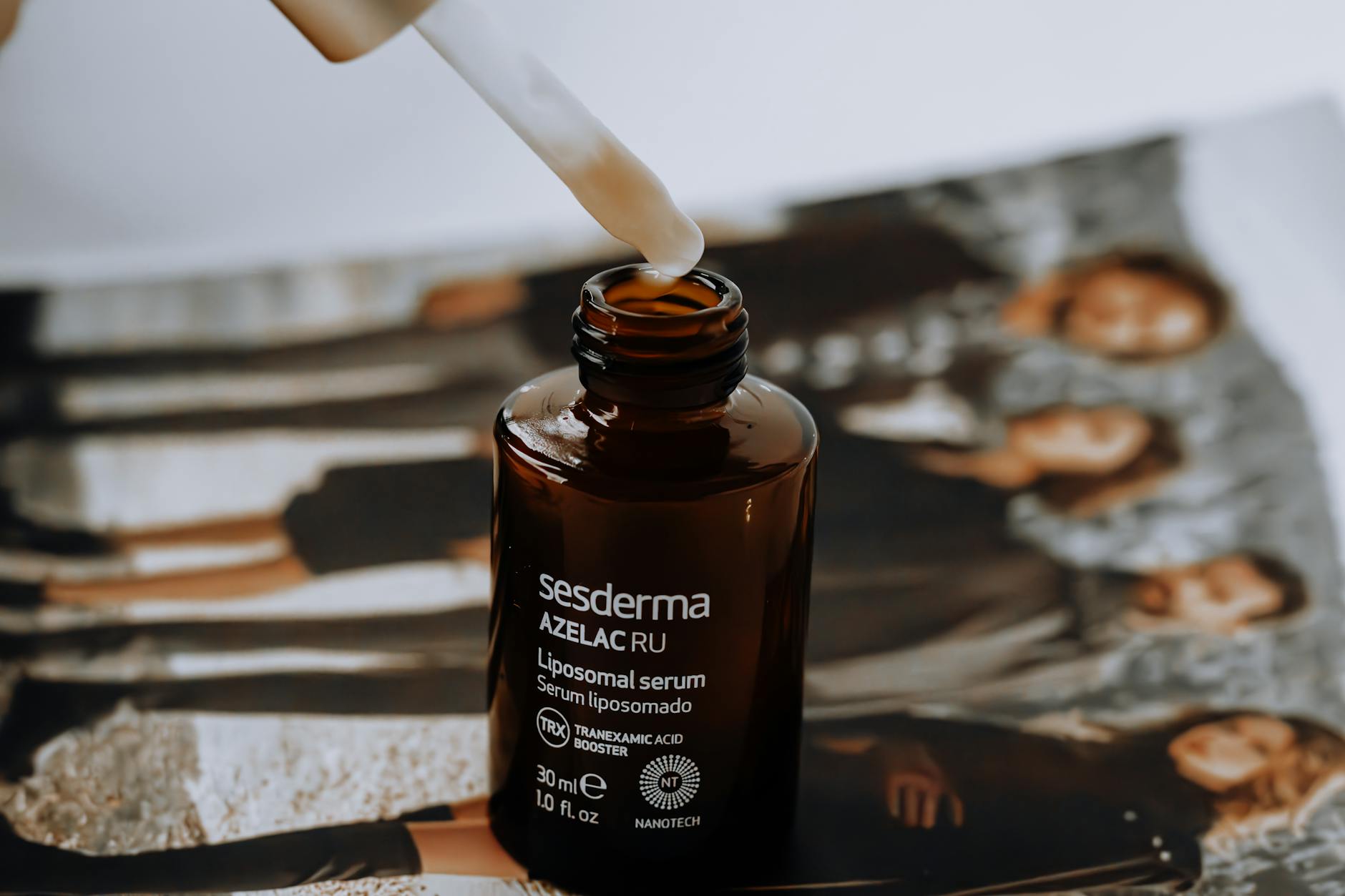
Some practices are incorporating genetic testing alongside blood work to understand how patients metabolize certain nutrients. This additional layer helps determine optimal concentrations for topical formulations and identifies patients who may need higher doses of specific vitamins.
Industry Response and Accessibility Challenges
Major skincare companies are taking notice of this trend toward personalization. Several brands have launched partnerships with testing companies to offer at-home blood collection kits paired with custom serum recommendations, though these lack the medical oversight of dermatologist-supervised programs.
The approach faces practical barriers including insurance coverage and cost accessibility. Comprehensive blood panels can range from $200-500, with custom serum formulations adding another $150-300 monthly. Most insurance plans don’t cover these preventative beauty treatments, limiting access to patients with higher disposable incomes.
Training requirements also present challenges. Dermatologists need additional education in nutritional biochemistry and interpretation of metabolic panels beyond their traditional scope. Professional organizations are developing continuing education courses to meet this growing demand.
Some practitioners express concern about the long-term safety of high-concentration topical vitamins without extensive clinical trials. The FDA doesn’t regulate custom compounded cosmetics as strictly as pharmaceutical preparations, creating a regulatory gray area.
Technology Integration and Future Developments
Advanced practices are incorporating AI analysis of blood work patterns to predict optimal ingredient combinations. Machine learning algorithms analyze thousands of patient outcomes to refine formulation protocols and improve results.
Telemedicine platforms are enabling broader access by allowing patients to receive blood work locally while consulting with specialized dermatologists remotely. This model is particularly beneficial for patients in areas without access to cutting-edge dermatological practices.
Research institutions are launching clinical studies to establish evidence-based protocols for blood-guided skincare. These studies aim to create standardized treatment guidelines and potentially support insurance coverage arguments.
The integration of wearable health devices is on the horizon, with some clinics exploring how continuous glucose monitors and sleep trackers might inform skincare formulations. This holistic approach considers lifestyle factors that impact skin health beyond just nutrient levels.

The convergence of dermatology and functional medicine represents a significant shift toward treating skin as an integrated system rather than an isolated organ. As more practitioners adopt these methods and research validates the approach, personalized skincare based on individual biochemistry may become the standard of care. The question isn’t whether this trend will continue growing, but how quickly traditional dermatology will embrace this data-driven approach to beauty and skin health.
Frequently Asked Questions
How do dermatologists determine what vitamins to include in custom serums?
They analyze comprehensive blood panels testing for nutrient deficiencies, inflammatory markers, and hormonal imbalances to create targeted topical formulations.
Are blood-based custom vitamin serums covered by insurance?
Most insurance plans don’t cover these preventative beauty treatments, with blood panels costing $200-500 and custom serums $150-300 monthly.