




Handmade crochet work is showing up in unexpected places this fall, from luxury menswear runways to boardroom meetings. What was once relegated to grandmother’s hobby basket has evolved into a sophisticated design element that’s challenging traditional notions of masculine fashion.
The Craft Revival in Designer Studios
Several major fashion houses have incorporated crochet elements into their latest menswear collections, treating the technique not as novelty but as serious craftsmanship. Designers are exploring how the inherent texture and dimensional quality of crochet can add visual interest to otherwise minimal silhouettes. The approach marks a significant departure from the smooth, processed fabrics that have dominated men’s luxury fashion for decades.
Crochet’s integration into high-end menswear represents more than just a seasonal trend. The technique offers designers a way to introduce handmade authenticity into collections that might otherwise feel sterile or mass-produced. Each crocheted element carries the subtle irregularities that come with human hands, creating pieces that feel genuinely unique rather than manufactured.
The material versatility of crochet has proved particularly appealing to designers working with unconventional fibers. Luxury wool, silk blends, and even metallic threads can be worked into crochet patterns, producing everything from delicate sleeve details to bold statement panels. This flexibility allows designers to experiment with texture while maintaining the refined quality standards expected in high-end menswear.
Technical innovation has also played a role in crochet’s elevation. Modern yarn treatments and finishing techniques can transform traditional crochet work into something that reads as contemporary rather than nostalgic. The result bridges the gap between artisanal craft and cutting-edge fashion design.
Breaking Down Traditional Gender Boundaries
The adoption of crochet in menswear directly challenges long-held assumptions about which crafts and techniques are appropriate for different genders. Historically, crochet has been coded as feminine domestic work, making its appearance in men’s fashion a deliberate statement about expanding masculine aesthetics.
Male consumers appear increasingly comfortable with fashion choices that would have been considered boundary-crossing just a few years ago. The rise of gender-neutral fashion and the blurring of traditional style categories has created space for techniques like crochet to find new applications. This shift reflects broader cultural changes around gender expression and the rejection of rigid style categories.
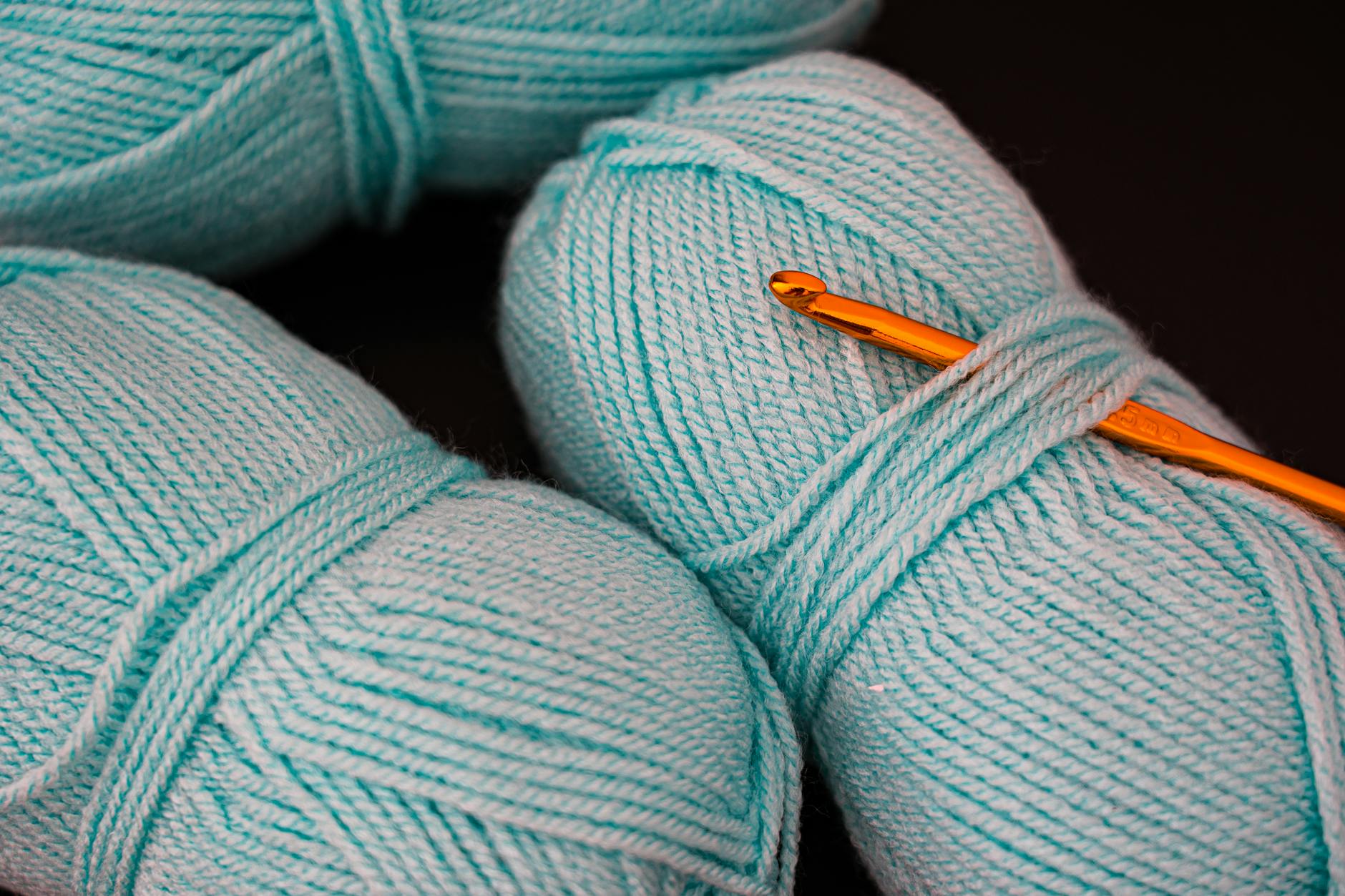
The integration isn’t limited to subtle accents either. Some designers are featuring prominent crochet panels, full crocheted vests, or dramatic sleeve treatments that make the technique central to the garment’s visual impact. These bold applications require confidence from both designer and wearer, suggesting that the fashion world is ready to embrace more experimental approaches to menswear.
The commercial success of these pieces will likely determine whether crochet becomes a permanent fixture in men’s fashion or remains a seasonal experiment. Early indicators suggest strong interest from fashion-forward consumers who view these pieces as conversation starters and statements of personal style.
The technique’s handmade quality also appeals to consumers seeking alternatives to fast fashion. Each crocheted element requires significant time and skill to produce, making these garments inherently limited and special. This scarcity factor adds to their appeal in a market saturated with mass-produced options.
The Technical Challenge of Luxury Production
Incorporating crochet into high-end menswear presents unique production challenges that designers must navigate carefully. Unlike machine-knit or woven fabrics that can be produced at scale with consistent results, crochet work requires skilled artisans who can maintain quality standards across multiple pieces. This human element introduces variables that luxury brands typically prefer to eliminate.
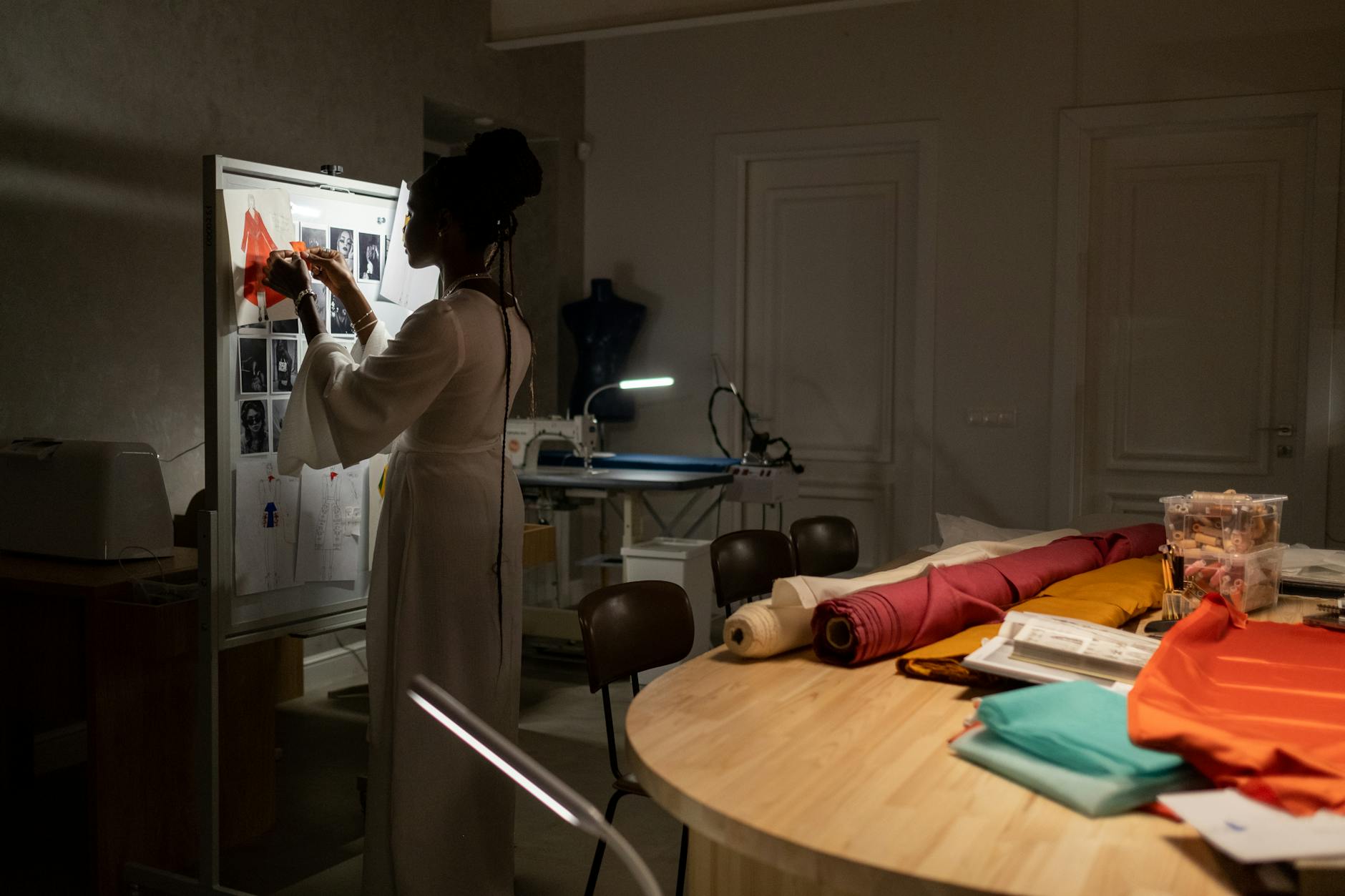
The time investment for quality crochet work also conflicts with traditional fashion production timelines. A single intricate crochet panel might require dozens of hours to complete, making it difficult to produce enough pieces for a full commercial collection. Some designers have responded by using crochet sparingly, as accent pieces that elevate simpler garments without requiring extensive handwork throughout.