



When the Shelf Claims Everything, Testing Settles It
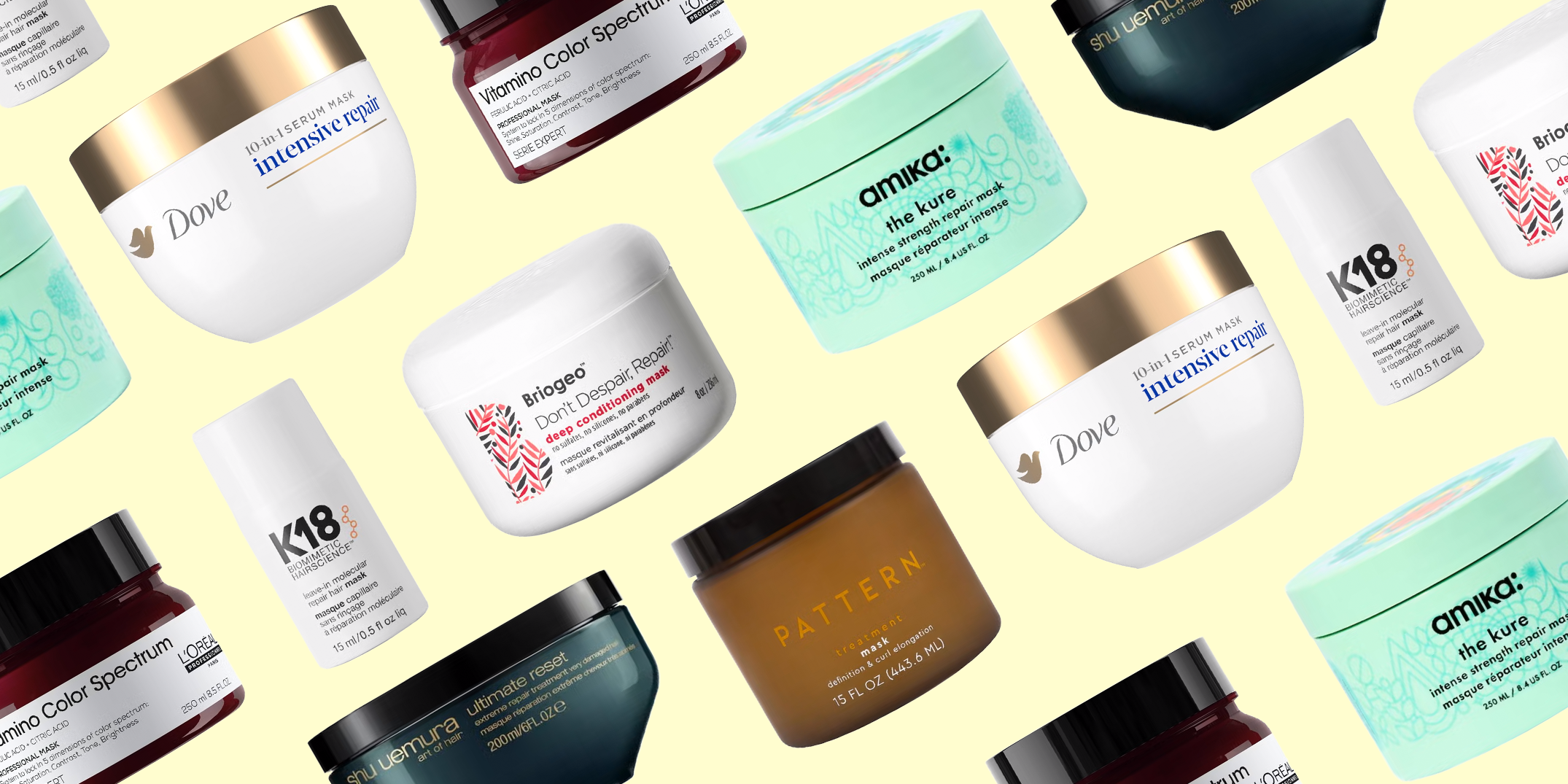
The hair care aisle has a credibility problem. Every formula promises restoration, every label leans on the same language of repair and revival – and most of them sit in your shower doing very little. Cosmopolitan editors spent months cutting through that noise, testing hair masks across every major concern category to find nine formulas that actually hold up.
The Real Cost of Unverified Hair Promises
Dry hair, damaged hair, frizz-prone hair, dull hair – these are not interchangeable problems, and they don’t respond to the same chemistry. A deeply moisturizing mask loaded with heavy emollients might be exactly right for coarse, dry strands and completely wrong for fine hair that goes limp under the same ingredients. The fact that most products market themselves as universal fixes is part of what makes editor-tested roundups like this one worth paying attention to.
Cosmopolitan’s beauty editors tested these formulas over the course of months, not days. That distinction matters. A single-use impression of a hair mask can be misleading – initial softness or shine can come from coating agents that don’t actually address structural damage. Repeated use across different hair types, different seasons, and different styling routines gives you a more honest picture of what a product can sustain.
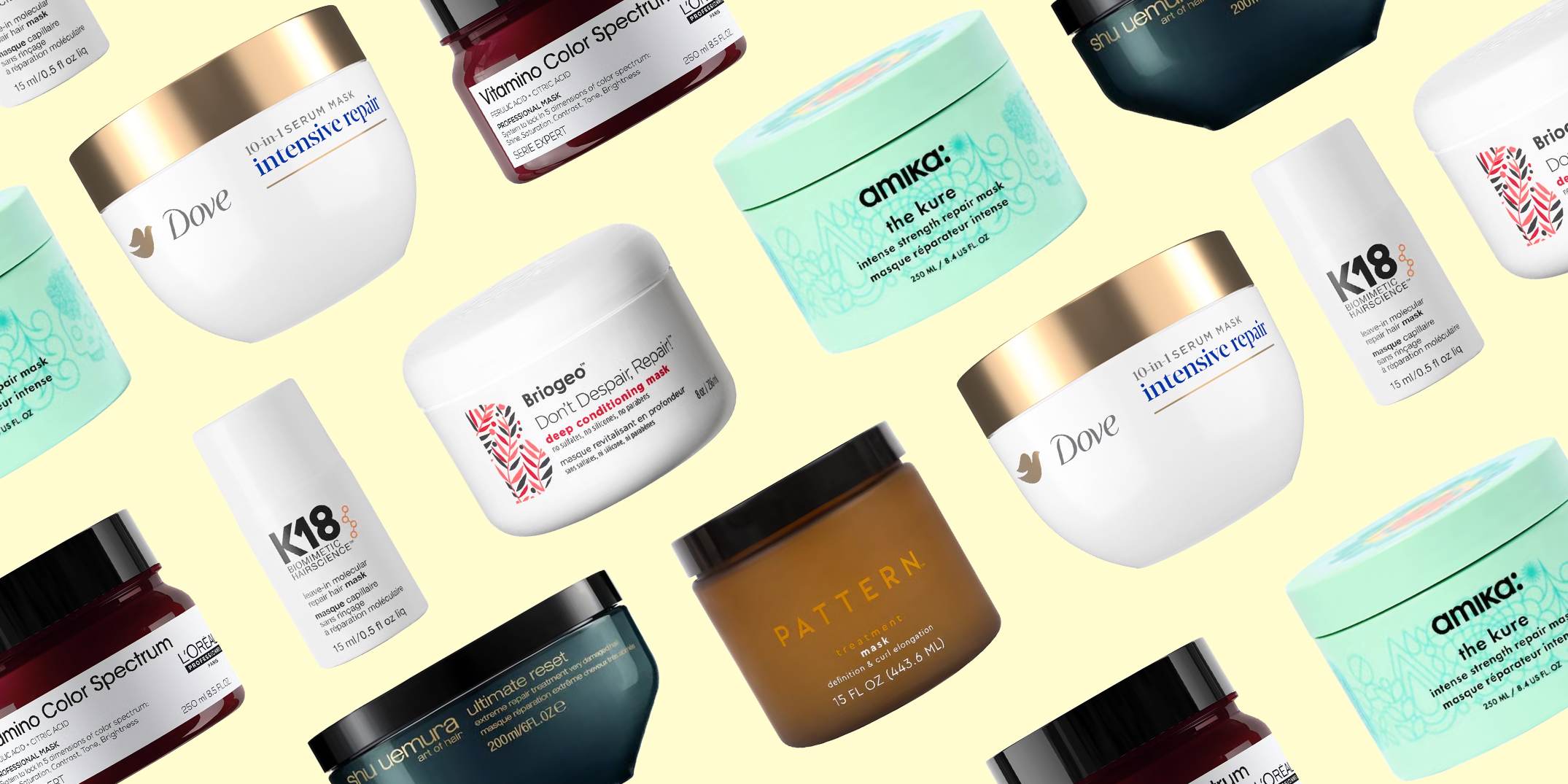
The nine masks that made the final list were selected because they performed consistently across those extended trials. Not because of packaging, not because of brand recognition, and not because of price. A mask that costs $8 and works sits alongside one that costs $60 and works. That’s the only standard that earned a spot.
Dryness was the most common concern the editors were addressing. It’s also the most commonly misdiagnosed – hair that reads as dry is sometimes actually damaged at the cuticle level, sometimes lacking protein, and sometimes simply stripped by sulfate cleansers or hard water. The best masks for dryness in this list don’t just add moisture temporarily; they use ingredients that help the hair shaft retain what’s already there.
What Nine Masks Across Every Concern Actually Looks Like
Damage is a separate category from dryness, and the editors treated it that way. Chemically processed hair, heat-styled hair, and color-treated hair all have compromised cuticles, and the masks that address damage are typically doing something different at the ingredient level – working with proteins, amino acids, or bond-building technologies that go beyond surface conditioning. Several of the nine masks on this list were specifically flagged for damaged hair, and those distinctions are what make the roundup practical rather than decorative.
Frizz, as any editor who has spent a humid summer in a city knows, is its own ongoing negotiation. Anti-frizz masks tend to rely on smoothing agents that seal the cuticle and reduce the hair’s tendency to absorb ambient moisture. The challenge is finding a formula that controls frizz without making hair feel coated, stiff, or stripped of movement. The masks that cleared that bar in Cosmo’s testing managed to deliver smoothness without sacrificing texture.
Dullness was the fourth major concern category represented in the final nine. Hair loses its shine for a number of reasons – product buildup, mineral deposits from hard water, UV exposure, and simply the gradual wear of daily styling. Masks targeting dullness often include clarifying elements alongside conditioning ones, which is a tricky balance. Too much clarification and you remove natural oils; too little and the shine doesn’t last past the first wash.
The breadth of concerns covered across just nine products is notable. This isn’t a list padded with variations on the same formula. Each mask on it was chosen because it addresses something specific, and addresses it well enough that editors kept reaching for it after the formal testing period ended. That last part is the real signal – what you continue to buy when no one is asking you to review it.
Price range across the nine masks spans a wide gap, which is one of the more useful things about a list built on actual performance. Prestige hair care has expanded significantly over the past several years, with salon-grade and luxury independent brands now competing in the same space as mass-market staples. The testing here doesn’t favor one end of that spectrum. What it does favor is results that hold up past the first impression – masks that earn a permanent spot on the shelf rather than a one-time mention.
How to Use This List Without Wasting Money
Identifying your primary hair concern before buying is the most practical thing you can do with a list like this. If your hair is both dry and damaged – which is common after bleaching or extended heat styling – you’ll want to look at where those two categories overlap in the recommendations, rather than buying one mask for each problem and alternating. Overloading a hair care routine with too many targeted treatments often creates more confusion than clarity, and rotating too many masks can make it impossible to know what’s actually working.
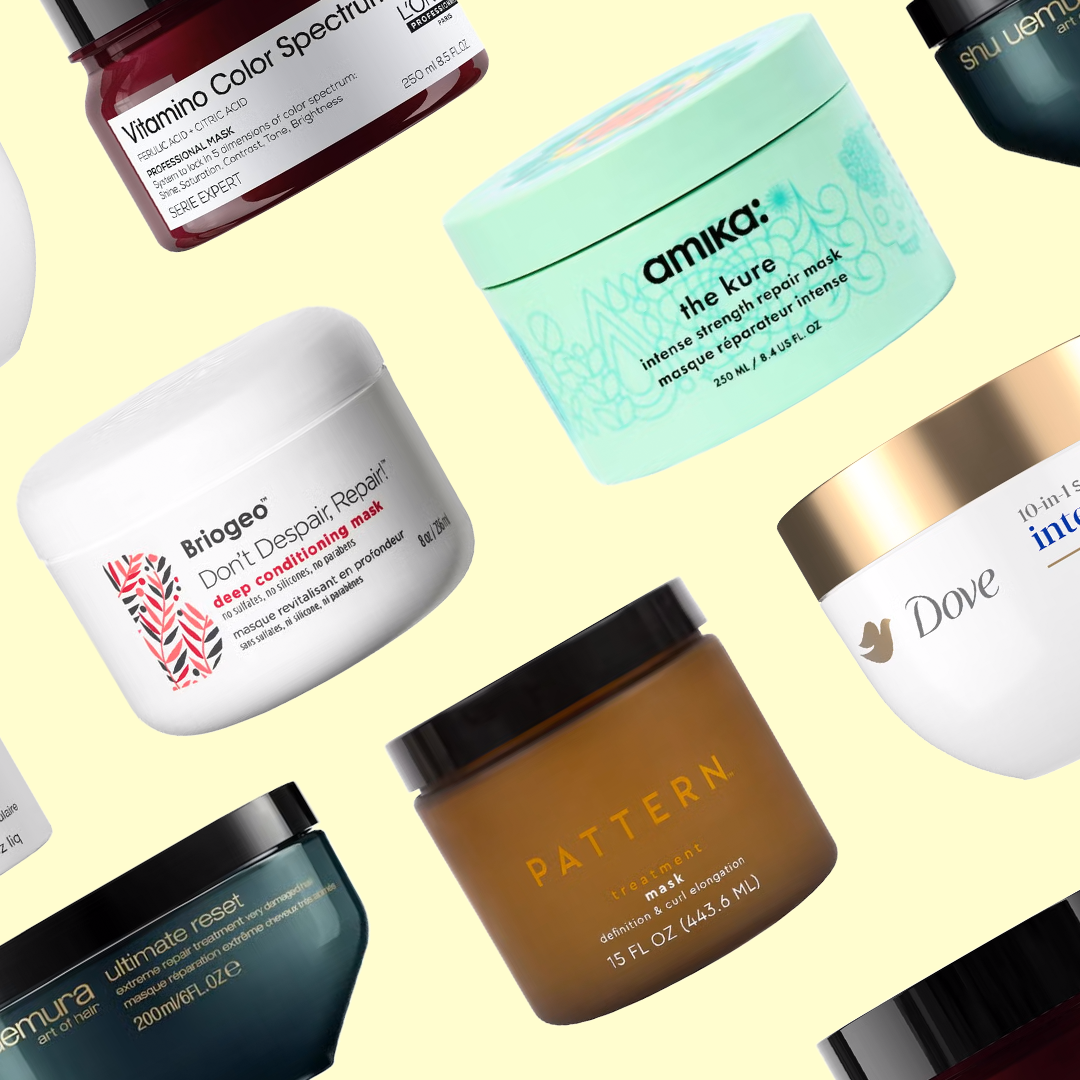
The nine masks Cosmo editors landed on after months of testing represent the outcome of exactly the kind of sustained, comparative attention most consumers don’t have time for. Dryness, damage, frizz, dullness – those four concerns cover the majority of what people are actually dealing with. The question now is whether the formula sitting in your cart right now has ever been held to that standard, or whether it’s simply convinced you it has.