





Four Women, One Wellness Retreat, Zero Chill
The upcoming slapstick comedy Spa Weekend puts four of Hollywood’s funniest women inside a luxury wellness retreat and then methodically dismantles everything that could go right.
What the Movie Is Actually About
The film’s premise is deceptively simple: a group of four longtime friends checks into a high-end spa, and things fall apart spectacularly. But the writing – from the same duo who directed and wrote The Hangover – does something more specific than the comparison suggests. Where The Hangover ran on escalating chaos for its own sake, Spa Weekend uses the chaos to poke at a very particular social dynamic: the friend group that has held together long enough to have at least one member nobody’s entirely sure they still like.
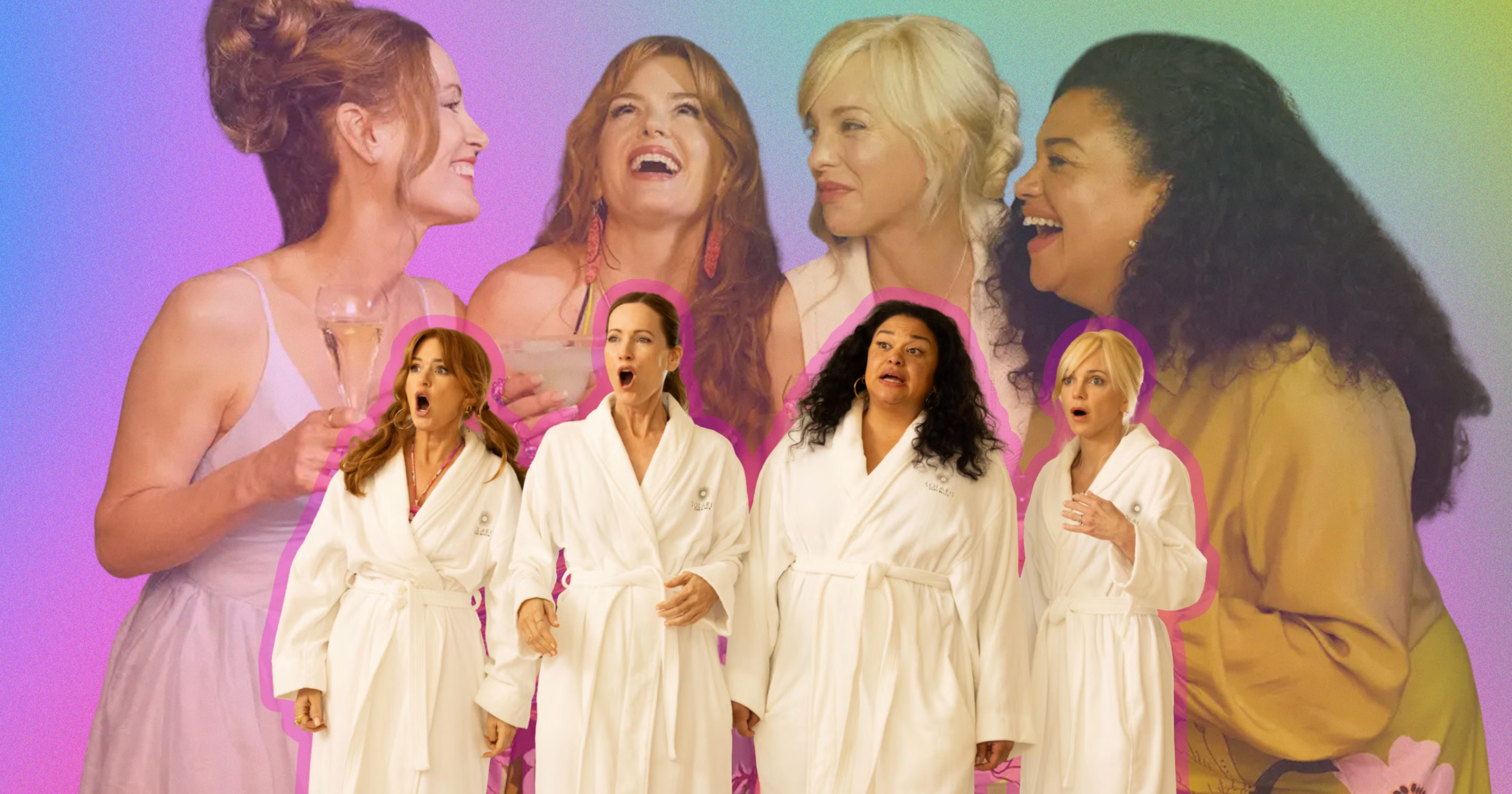
Anna Faris plays Sophie, a PA working for a billionaire who is, by the cast’s own description, a complete douchebag. Sophie is gloriously goofy – the kind of character Faris has always made feel lived-in rather than performed. Leslie Mann’s Jane is her tonal opposite: a driven lawyer who has organized her life around professional ambition and left exactly zero room for a romantic relationship. These two form the film’s quieter, more grounded axis.
Then there’s the other half of the quartet. Michelle Buteau plays Coco, a mother of two daughters who is openly, vocally unhappy that her ex-husband has started seeing an older woman. Buteau’s brand of comic delivery – fast, pointed, unapologetically loud – is exactly what the role demands. And Isla Fisher’s Mel is the group’s destabilizing force: a wild card whose unfiltered commentary on everyone around her keeps the other three perpetually on edge.
What makes Mel interesting rather than just exhausting is that her bluntness turns out to be the thing that actually cracks open the emotional baggage the other women have been quietly hauling through their adult lives. She’s annoying. She’s also the most honest person in the room. The film is asking whether those two things can coexist in someone you love – and whether love is even the right word after twenty-odd years of accumulated grievances.
The “Mom Porn” Label and What the Cast Meant By It
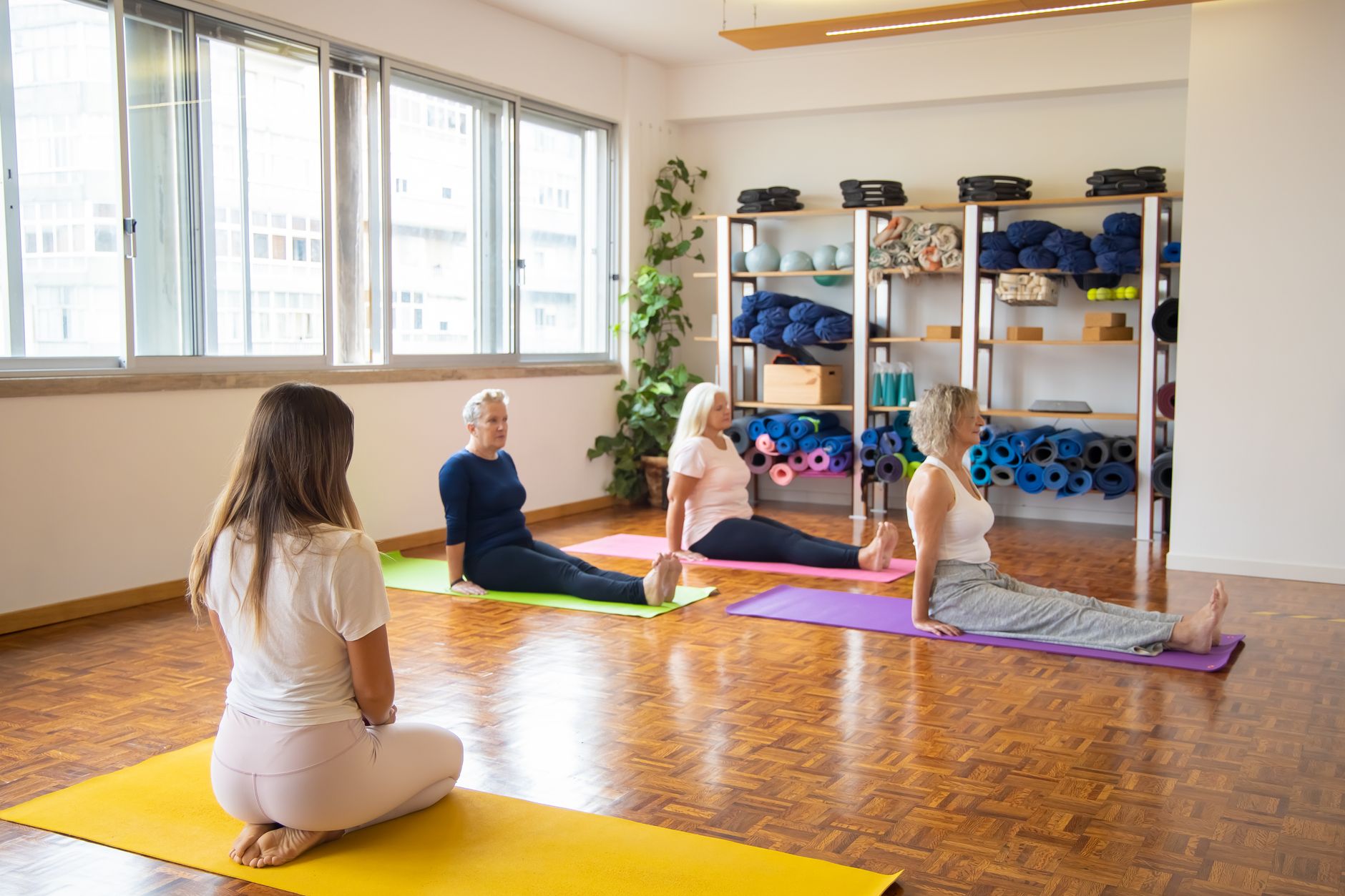
The cast has been calling the film “mom porn,” which is less a marketing hook than an honest description of what the movie delivers: outrageous gags, raunchy ensemble humor, and a very attractive yoga instructor named Kai, played by Adam Demos. Kai is written as uber-sensitive and extremely good-looking, which the film treats as both a punchline and a genuine plot device.
But the label also points to something the film takes seriously underneath the slapstick. Female friendship comedies have long been marketed around the idea that women’s relationships are warm, supportive, and fundamentally life-affirming. Spa Weekend is interested in the version of friendship that isn’t any of those things in the short term – the kind that survives because of history, not because it’s easy. The inconvenience of real community, the film argues, is exactly the point.
The “one friend in the group no one likes” trope is something the movie explicitly sets out to interrogate. Fisher’s Mel fits the archetype on the surface – she’s too much, too often. But the film is careful not to simply rehabilitate her. She doesn’t become more palatable by the third act. What shifts is the other women’s relationship to her impenetrability, which is a meaningfully different story than the standard redemption arc.
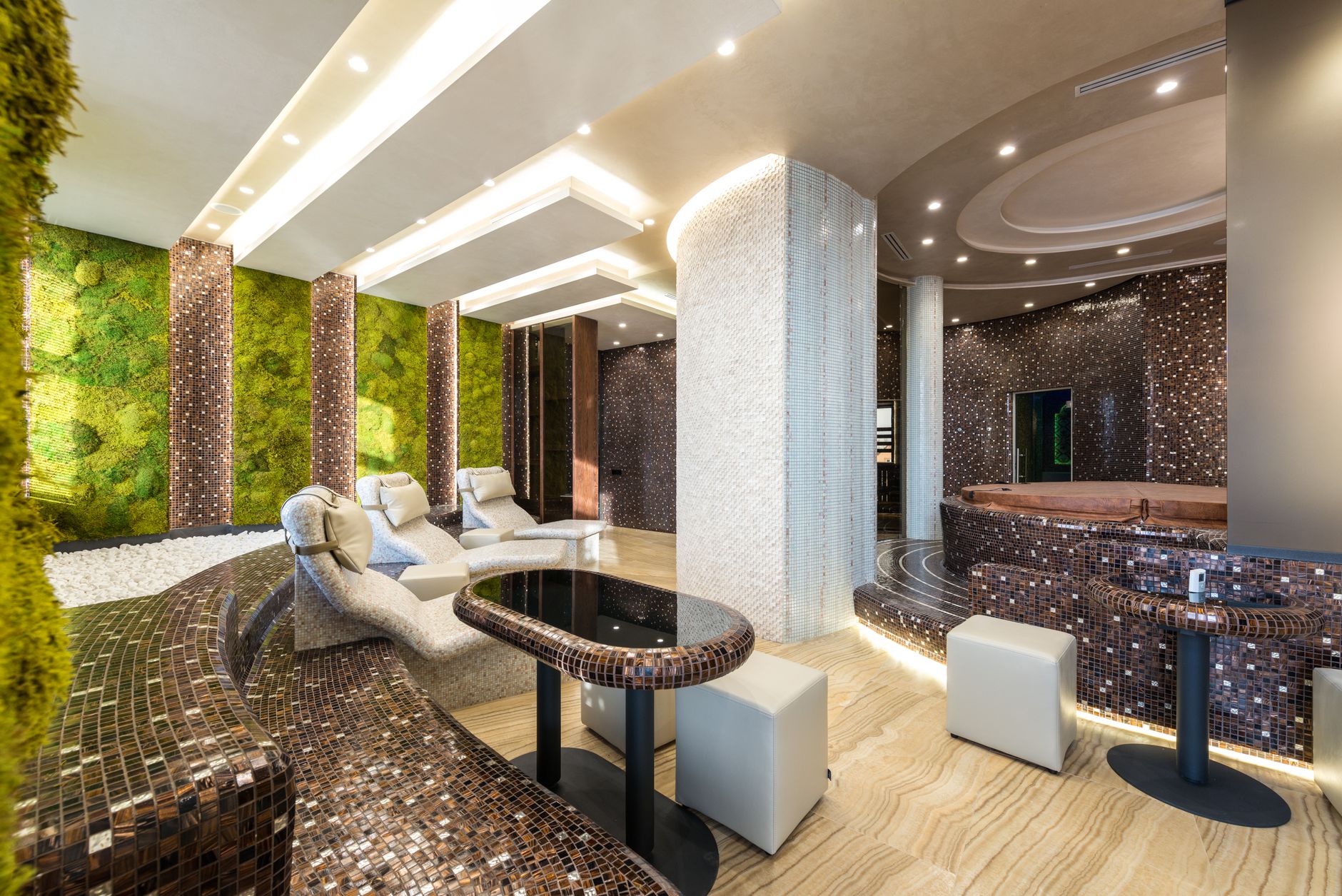
The Hangover comparison will keep circulating because the writers share DNA with that franchise, and because the marketing is clearly leaning into it. But the structural ambition here sits closer to an ensemble character study than a pure escalation comedy. The spa setting – with its wellness rhetoric, its enforced relaxation, its implicit promise of self-improvement – functions as a satirical container for four women who are actively resisting the idea that they need to be fixed.
There’s also a straight-faced commitment to the messy sociology of adult female friendship that the film doesn’t abandon even when things get deliberately absurd. The question it keeps returning to – can you accept a friend for all their flaws, including when those flaws directly interfere with your own enjoyment – is one the film refuses to answer cleanly. That refusal is doing most of the serious work.
Adulting, the film suggests, is less about achieving stability and more about deciding which instabilities you’re willing to keep tolerating, and for whom. The luxury retreat backdrop makes that question funnier, and sharper – because nothing exposes the fault lines in a friendship quite like four people stuck in the same place with no distractions and a very attentive wellness staff.
Who This Is For and Why It’s Landing Now
The film arrives at a moment when the cultural conversation around hyper-individualism and the slow erosion of adult social ties has moved from think-piece territory into something more broadly felt. Keeping a long friendship intact through breakups, career upheaval, kids, bad decisions, and the particular exhaustion of midlife takes active effort – and Spa Weekend makes that effort the subject of its comedy rather than its backdrop.
What the cast is selling with the “mom porn” framing isn’t just raunch – it’s recognition. The film’s audience is presumably women who have been in a friend group long enough to have a Mel, or to suspect they might be the Mel, and who would find both possibilities equally uncomfortable. Whether Adam Demos’s yoga instructor has enough screen time to justify the billing is, at this point, a separate and genuinely open question.