




A forgotten chapter of Salvador Dalí’s artistic output surfaces at Di Donna Gallery, revealing the surrealist master’s deep entanglement with high fashion during the interwar period.
The Surrealist’s Secret Sartorial Phase
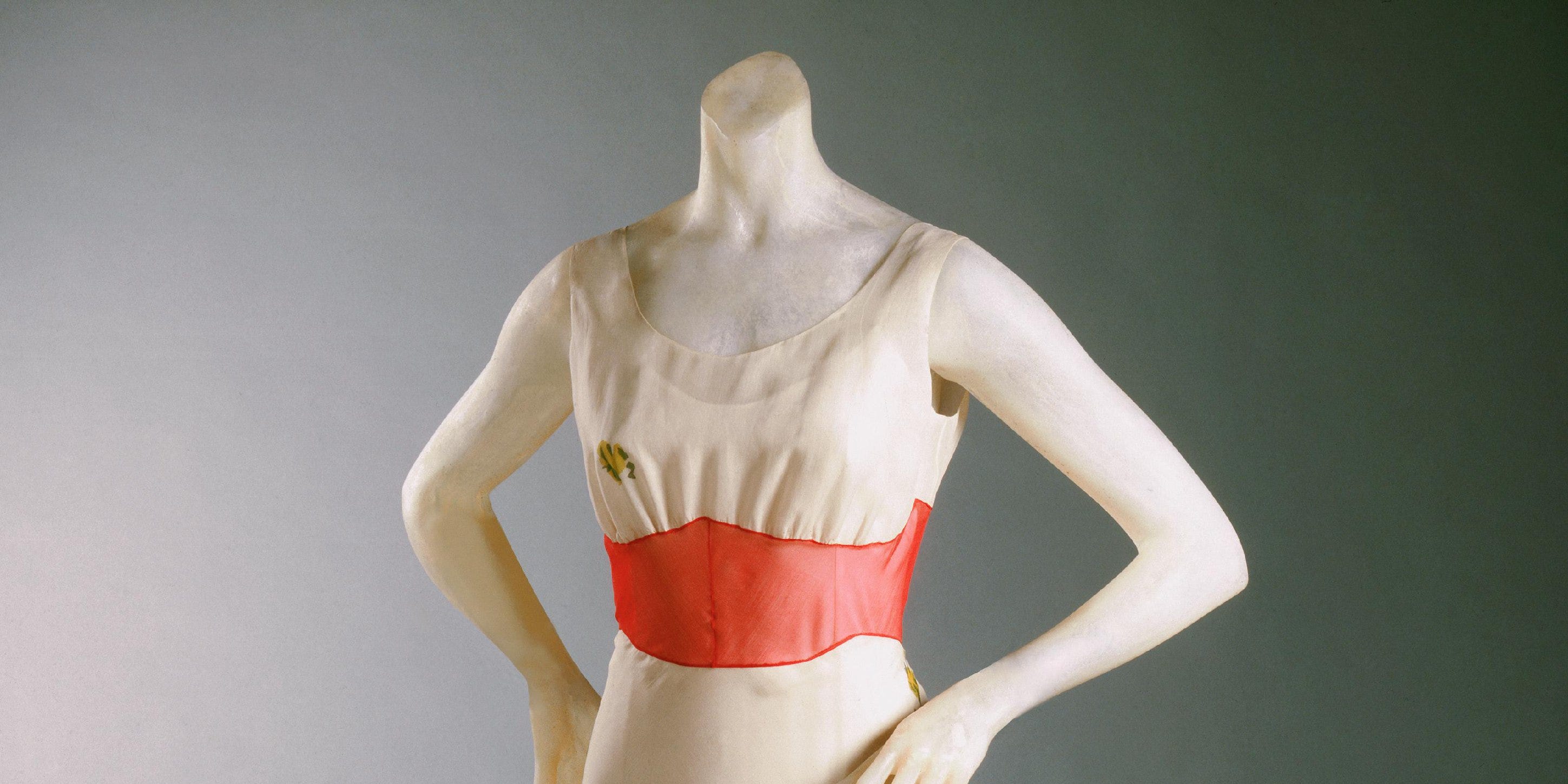
The exhibition documents Dalí’s most productive fashion collaborations between 1929 and 1939, a decade when the Spanish artist moved beyond canvas to reshape how women dressed. His partnerships with Elsa Schiaparelli and Coco Chanel during this period produced garments that blurred the boundaries between wearable art and commercial fashion. These weren’t mere artistic experiments but actual pieces that appeared in collections and on socialites across Europe.
Dalí approached fashion with the same methodical madness he applied to his paintings. His sketch books from the era, displayed prominently in the show, contain detailed drawings of dress silhouettes alongside his more famous melting clocks and distorted figures. The artist treated fabric as another medium for exploring his obsessions with metamorphosis, the unconscious, and visual illusion.
The timing aligned perfectly with fashion’s own rebellious moment. While traditional couturiers clung to established codes of elegance, designers like Schiaparelli welcomed disruption. Dalí’s entrance into this world wasn’t accidental-he possessed an intuitive understanding of how clothing could serve as both armor and revelation, concepts that resonated deeply with women navigating rapidly changing social roles.
Gallery documents show Dalí maintained extensive correspondence with fashion editors at Vogue and Harper’s Bazaar throughout this period. His letters reveal a artist who understood the commercial mechanics of fashion while maintaining his artistic integrity. This wasn’t dilution of his vision but expansion into new territory where his ideas could reach different audiences.
Masterpieces Born from Unlikely Partnerships
The Schiaparelli collaboration produced the exhibition’s most striking pieces, including sketches for the famous lobster dress and tear dress that scandalized Paris society. Dalí’s approach involved deconstructing traditional garment functions-he suggested placing pockets in impossible locations, creating optical illusions through strategic pleating, and incorporating elements that appeared to defy gravity. Schiaparelli, known for her own theatrical tendencies, provided the technical expertise to make these visions wearable.
Their creative process involved intense back-and-forth exchanges, with Dalí submitting increasingly audacious proposals that Schiaparelli would either realize literally or translate into more practical interpretations. The tear dress emerged from this dynamic-Dalí’s initial concept involved actual tears in the fabric, while Schiaparelli developed a trompe-l’oeil effect that created the illusion of torn material without compromising the garment’s structural integrity.
The Chanel partnership operated differently, focusing on accessories and textile patterns rather than complete garments. Dalí created a series of brooch designs that incorporated his signature motifs-ants, melting forms, and impossible architectural elements. These pieces, several of which appear in the exhibition, demonstrate how Chanel’s jewelry innovations extended beyond her usual aesthetic boundaries when influenced by surrealist thinking.
Documentation reveals Chanel initially resisted Dalí’s more extreme proposals but gradually embraced his ability to transform mundane objects into conversation pieces. Their collaboration produced handbags with handles shaped like telephone receivers and compacts featuring mirrors surrounded by Dalí’s melting clock motifs. These accessories allowed women to carry surrealism into their daily lives without completely abandoning conventional fashion codes.
The exhibition includes previously unseen photographs of these pieces being worn at society gatherings, providing context for how Dalí’s fashion interventions functioned in real social settings. The images show his designs didn’t merely shock-they created new forms of elegance that influential women adopted as expressions of their intellectual sophistication and cultural awareness.
Fashion’s Forgotten Revolutionary Period
The Di Donna Gallery show positions Dalí’s fashion work within the broader context of 1930s experimental design, when economic uncertainty and political tension created appetite for artistic risk-taking. Fashion houses faced pressure to distinguish themselves in an increasingly crowded market, making collaboration with established artists both commercially and artistically appealing. Dalí’s participation in this movement helped establish precedents for artist-designer partnerships that continue today.
Yet the exhibition also reveals why this chapter of fashion history faded from popular memory. World War II disrupted these experimental collaborations, and post-war fashion moved toward more conservative aesthetics. Many of the actual garments were lost or destroyed, leaving only sketches and photographs as evidence of what once existed. How many other artistic collaborations from this period disappeared entirely, taking their innovations with them into historical obscurity?